
Circulari's Blog
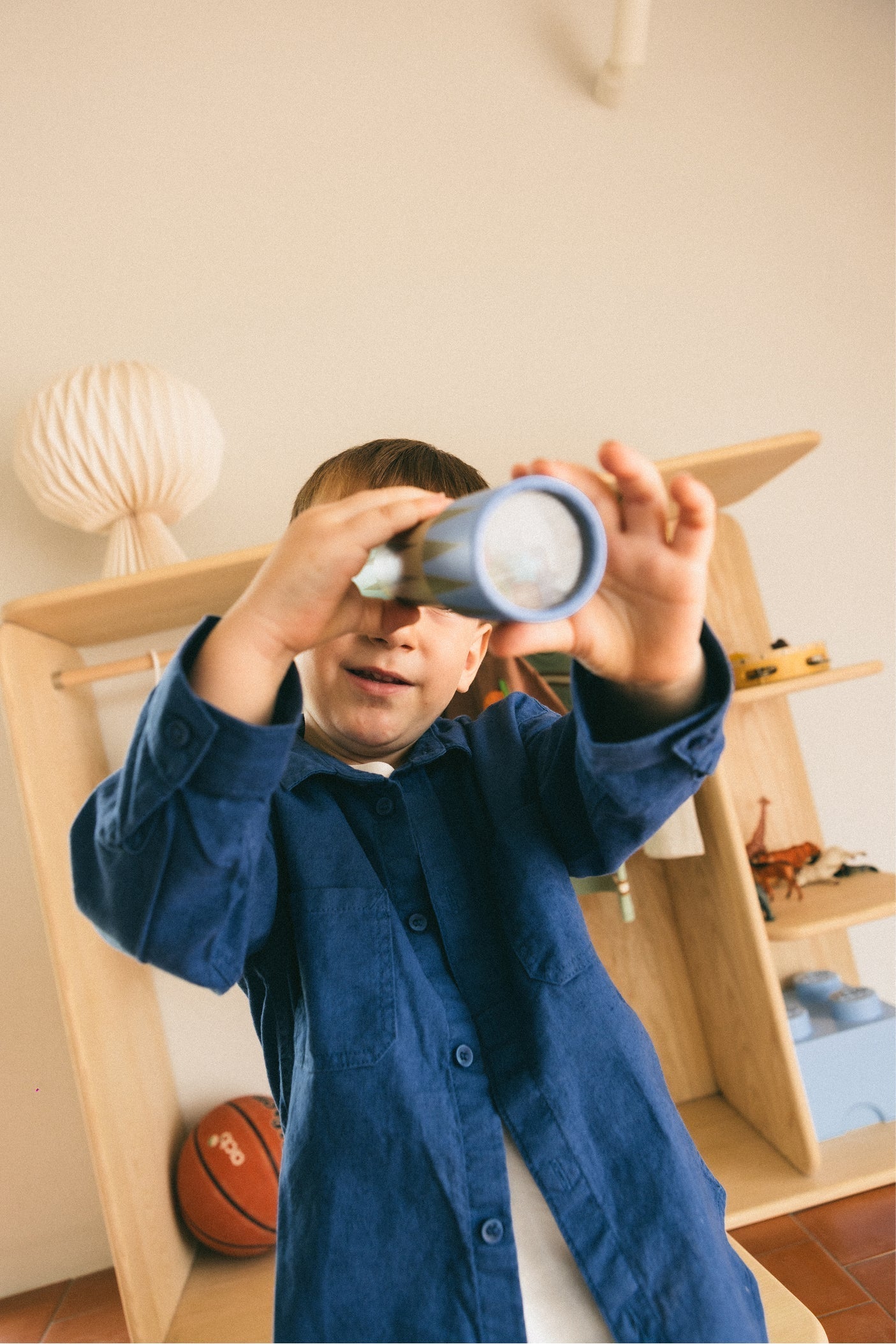
Why It Matters Where Your Child's Cot Is Made
Importing furniture from Asia or Eastern Europe is perfectly legal and very common. Almost every major retail chain does it. The process works like this: the importer places an order with a foreign factory, negotiates the price and specifications, waits six to twelve weeks for the container to cross the ocean, and once the product arrives in Spain, checks that it meets European regulations before putting it up for sale.
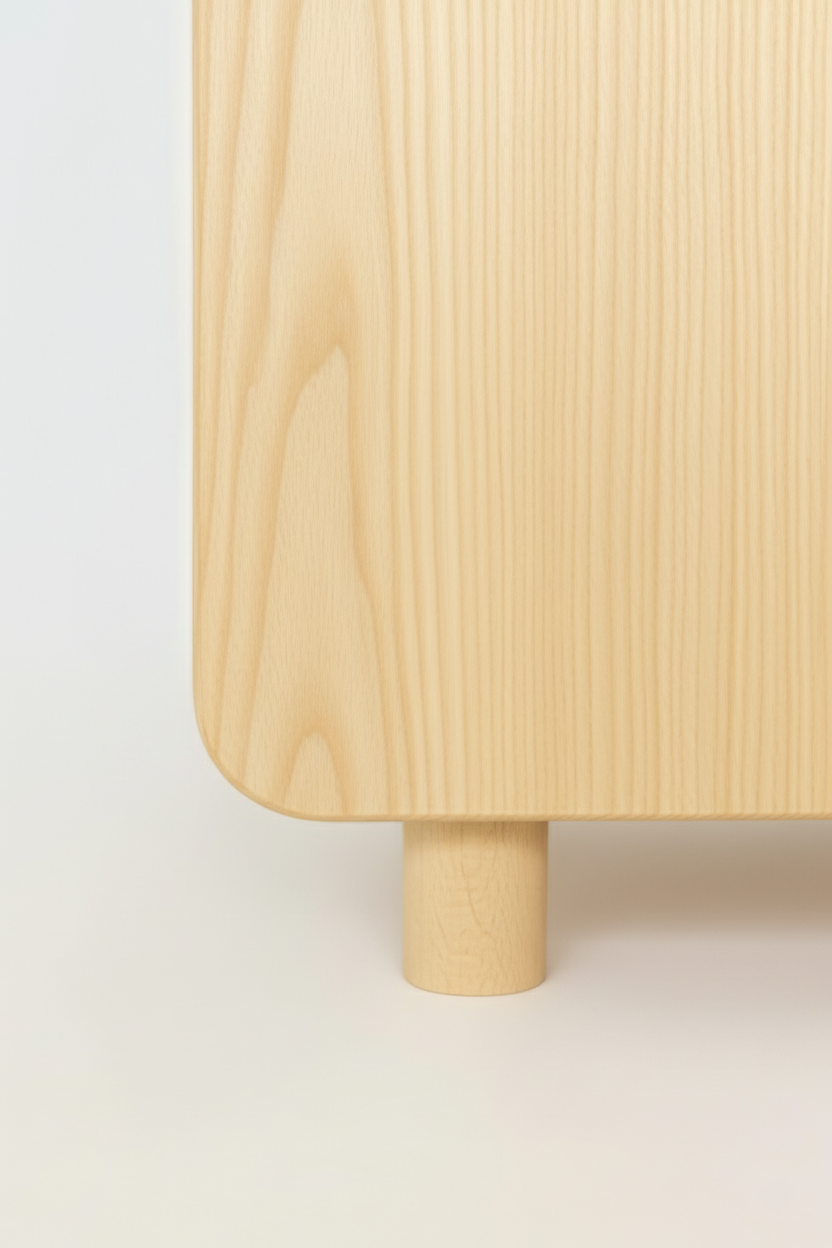
Solid Wood vs. MDF in Kids' Furniture: What No One Tells You
When you walk into a kids' furniture shop and ask what that lovely wardrobe is made of, the answer is usually some variation of "quality wood," "lacquered board," or, if you're lucky, "MDF with a melamine finish"
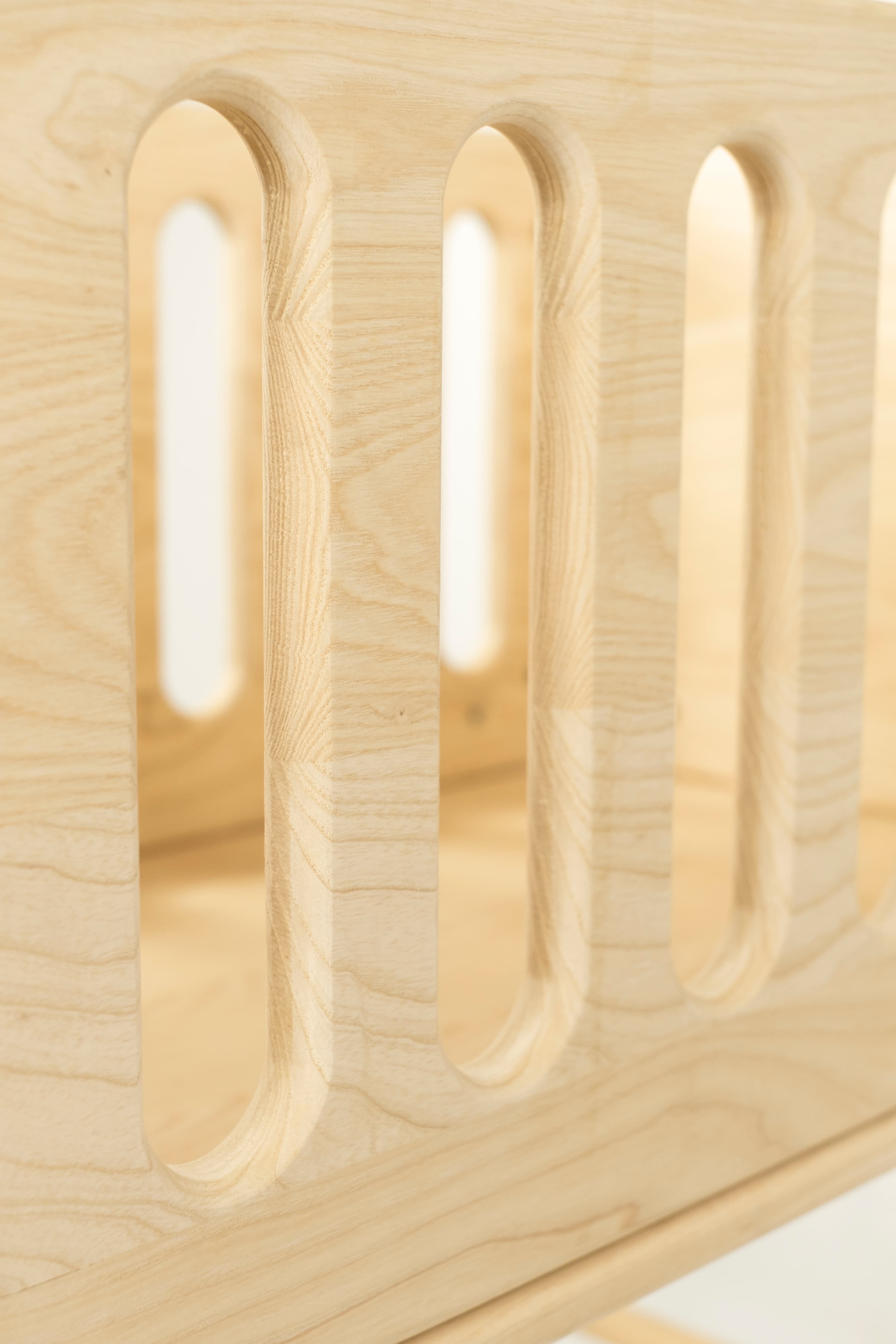
What Safety Certifications Should a Baby Crib or Bed Have? The Complete Guide No Brand Gives You
When you're looking for a crib or bed for your child, the first question isn't about color or price. It's something more visceral: is this safe?
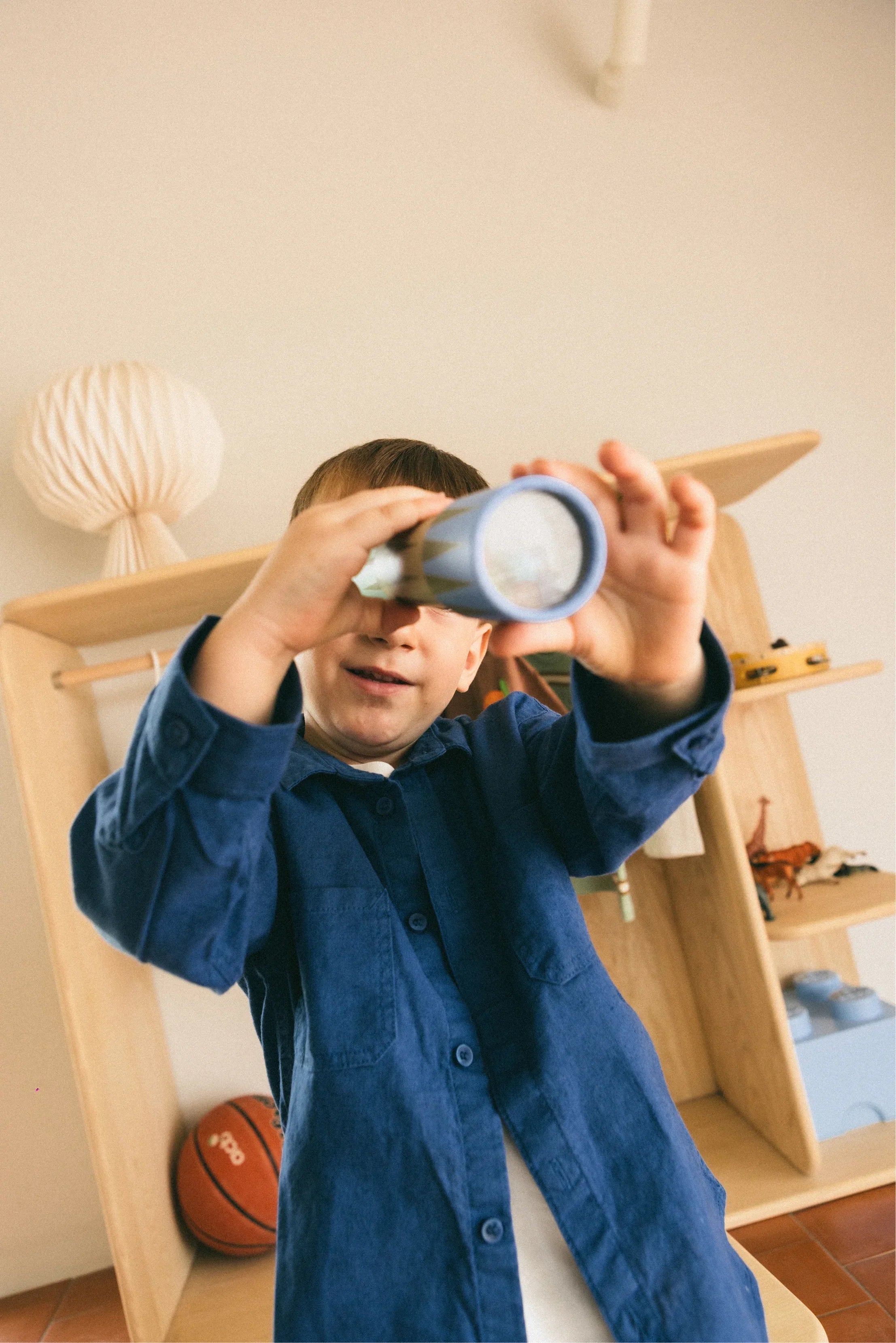
Which children's furniture can be returned in Spain?
In Spain, children's furniture with a guaranteed return system is almost nonexistent. We explain which brands take it back, how the process works, and what you get in return.
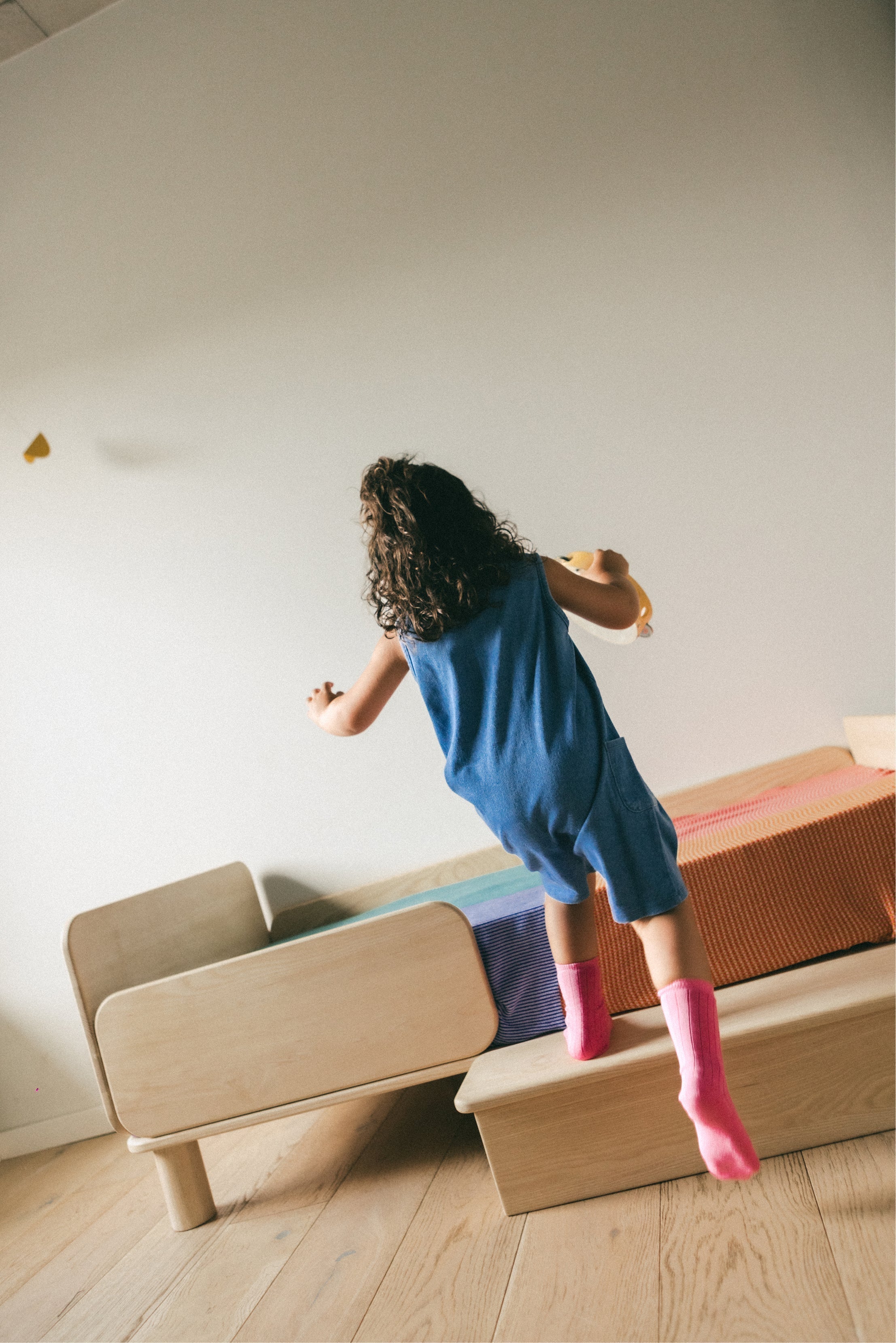
What Does a Crib Really Cost? The Comparison Brands Don't Want You to Make
In this article, we compare the real cost of furniture from Circulari versus other options on the market, taking into account durability, resale value, and our exclusive Take-Back system.
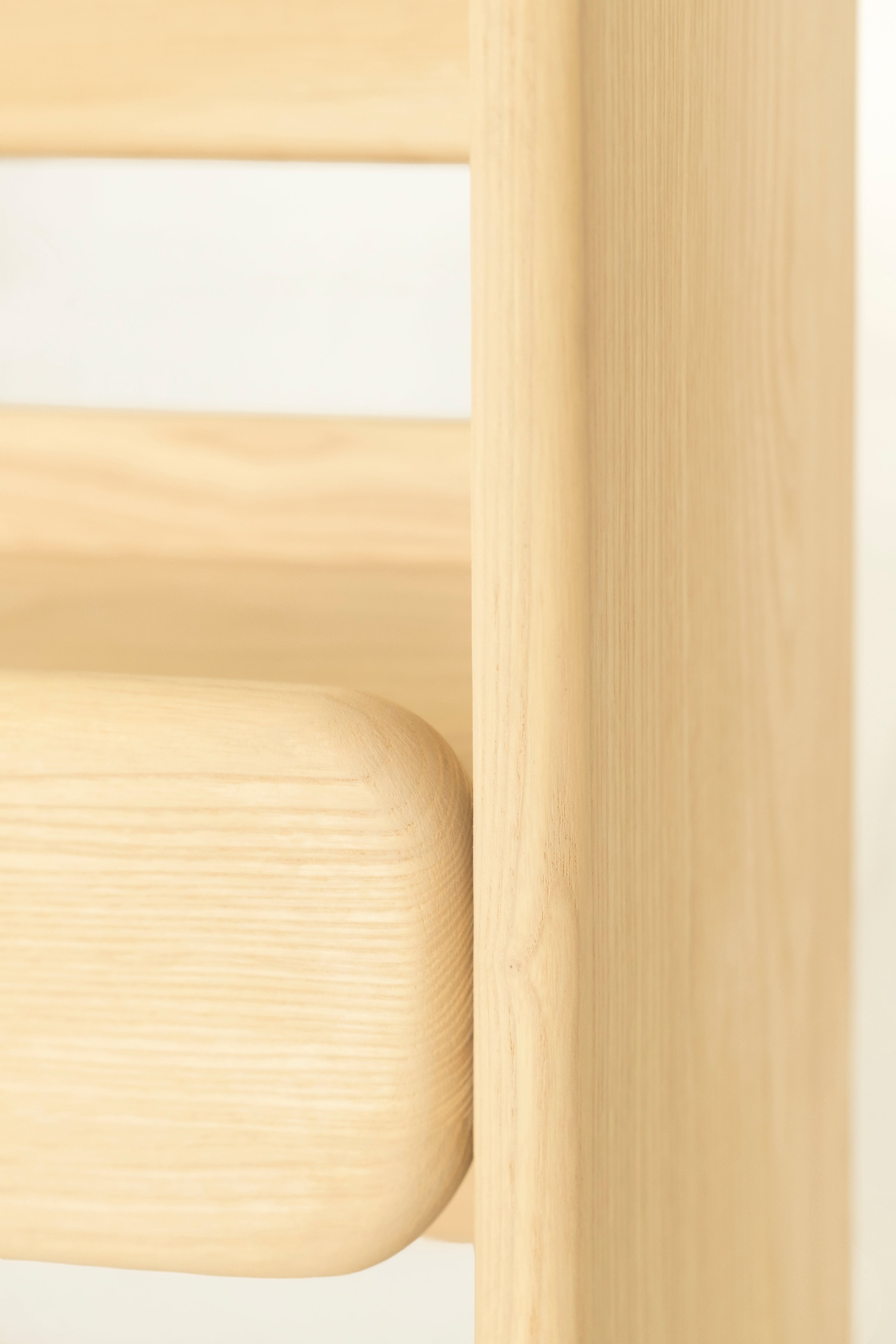
What Does Your Child Breathe? VOCs and Why Furniture Finish Matters
Do you know what VOCs are? Discover how chemicals in traditional furniture affect children's health and why solid wood with water-based finishes is the safest option.
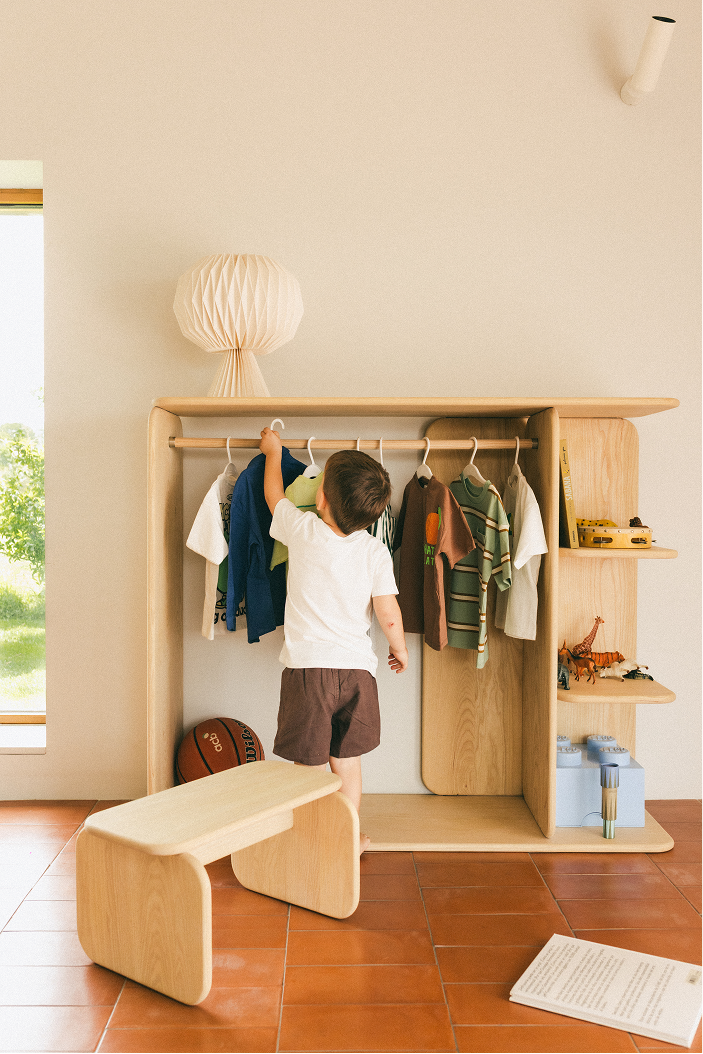
The Freedom to Change: Why You Don't Need 'All-Purpose' Furniture If You Have a Circular System
"What if we told you that you don't need furniture that 'grows' with your children? Discover why choosing specific pieces for each stage is better for their development, for your home, and for the planet. Learn about our circular exchange system and forget about accumulating furniture you no longer need."
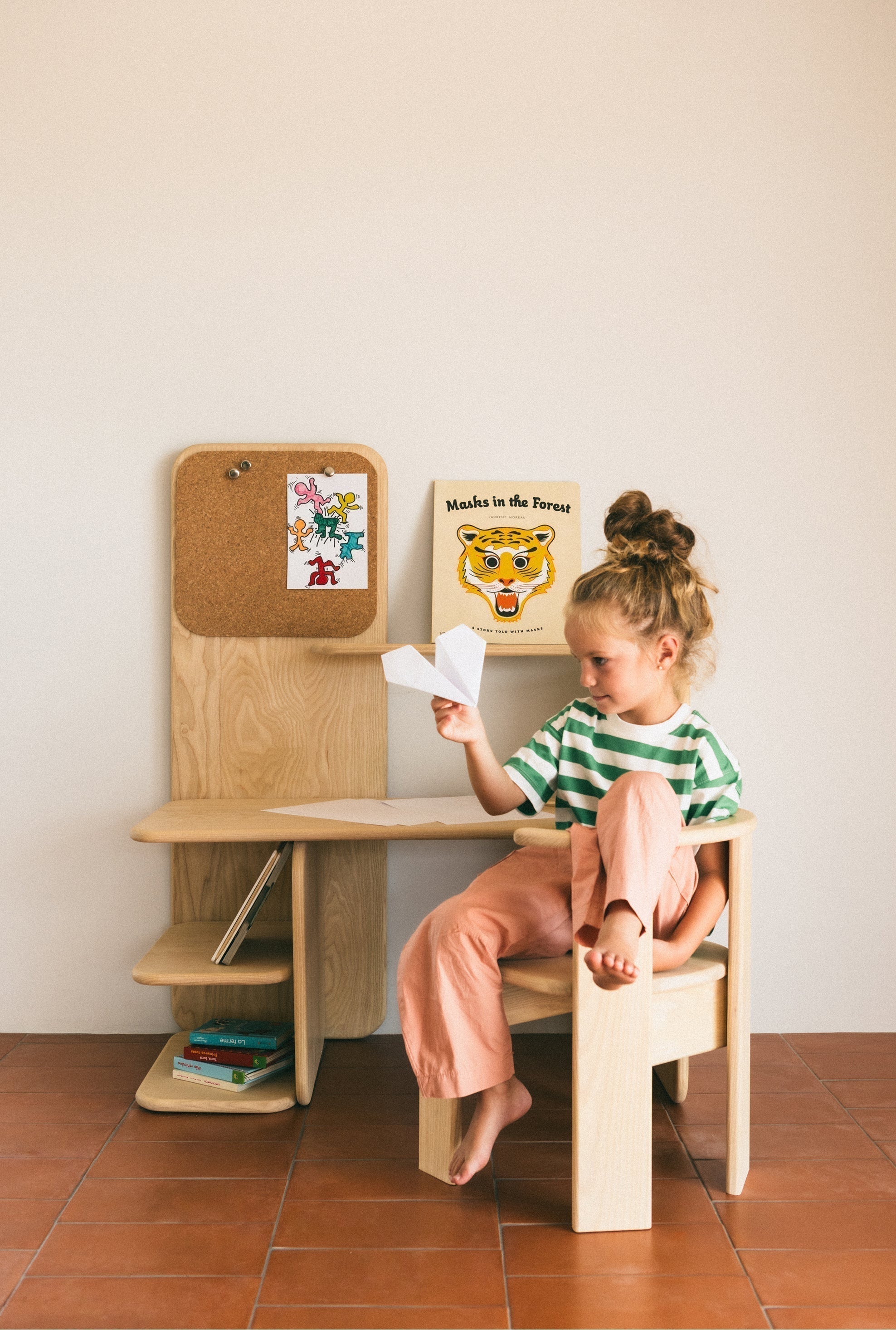
Linear vs. Circular Economy: The Future of Sustainable Children's Furniture
Discover how the traditional "buy, use, and throw away" model is filling our homes with unusable products. Learn what the circular economy is and how at Circulari we propose an innovative system to extend the life of your furniture through reconditioning and repair.
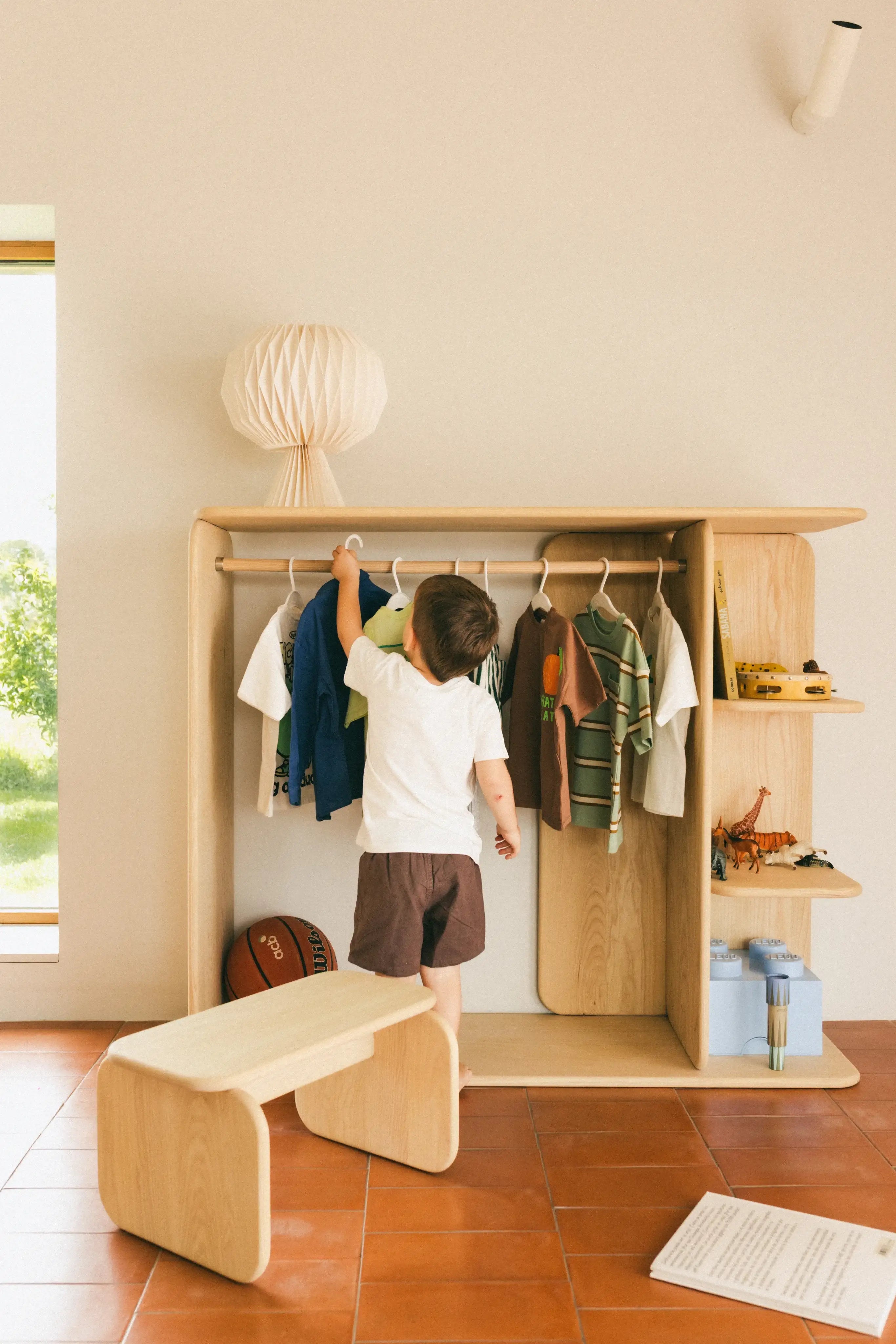
What is the circular economy applied to children's furniture?
The circular economy applied to children's furniture is a system in which a piece of furniture doesn't reach the end of its life when your child grows up. Instead of ending up in a bin or in storage, it returns to the manufacturer, gets restored, and begins a new story with another family. The result: less waste, more value, and a logic of consumption that finally makes sense.