
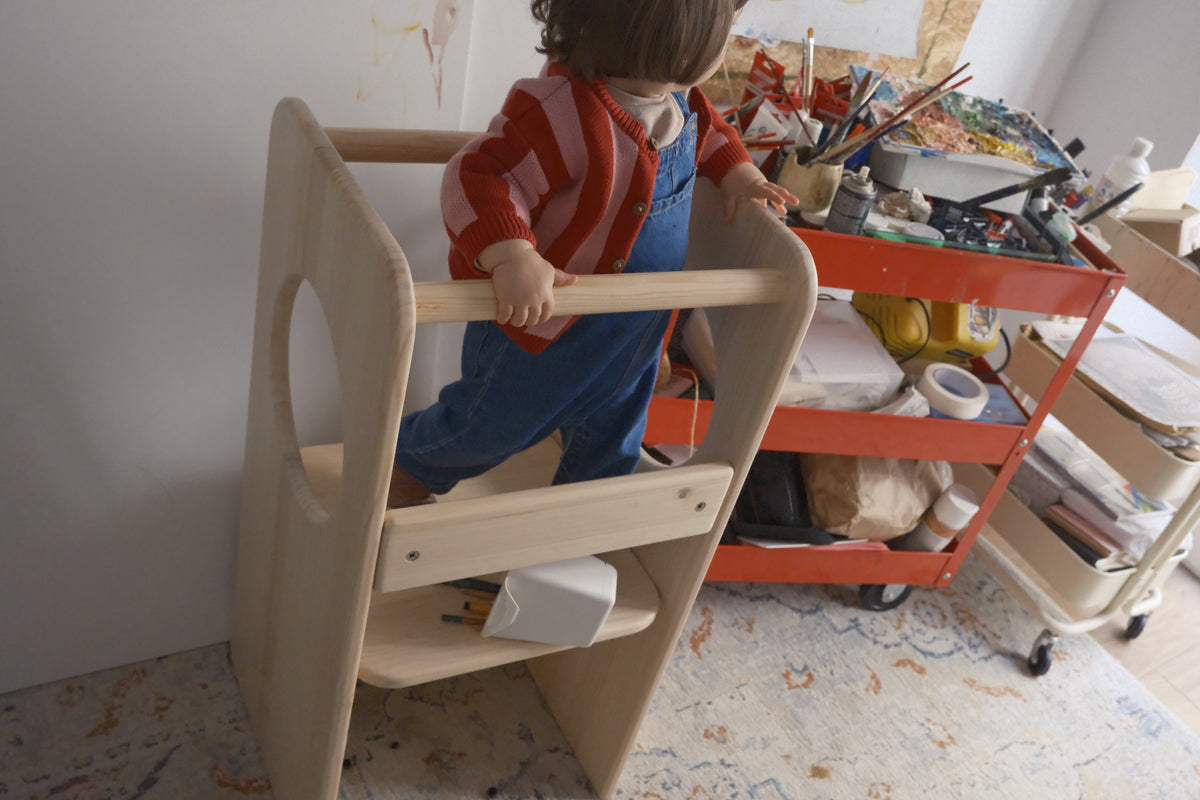
How to choose a Montessori learning tower: 2026 guide
Find out how to choose the right Montessori learning tower: heights, materials, safety and a comparison of real market prices.
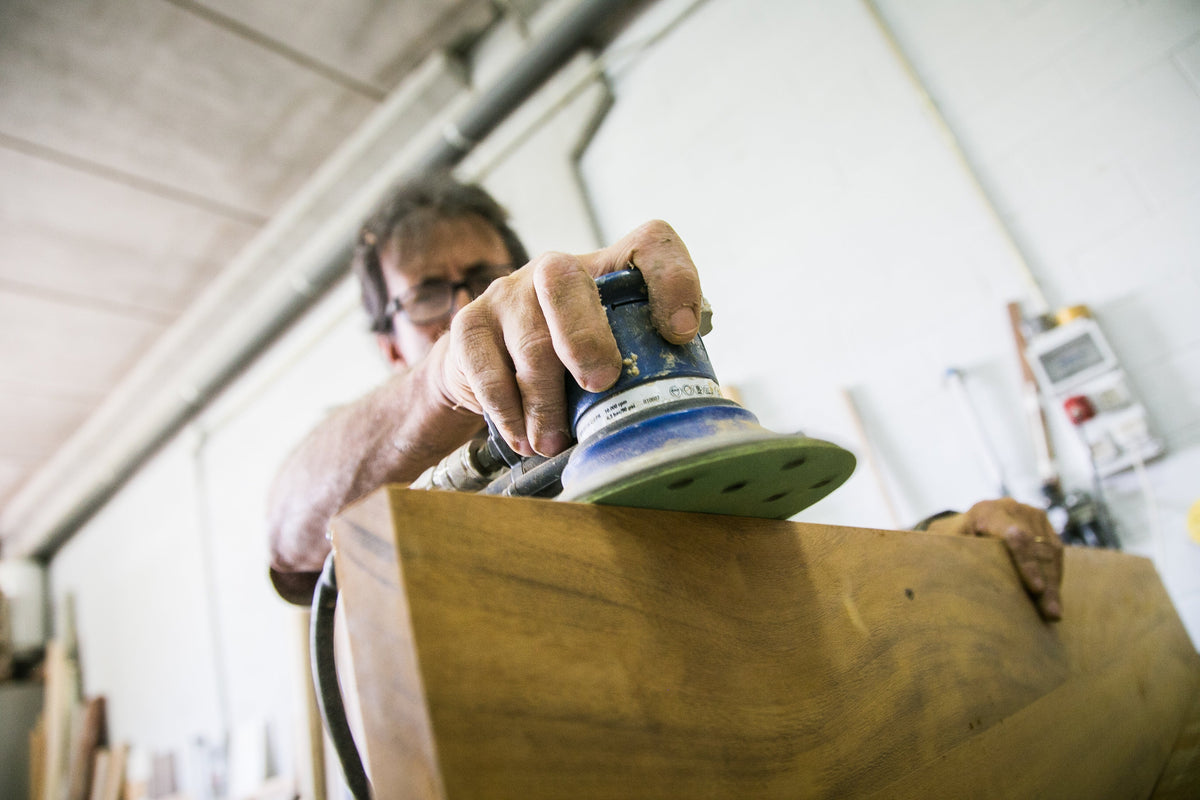

What FSC and PEFC mean in kids' furniture: the guide you need before you buy
FSC and PEFC are the two most important forestry certifications for wood. We explain what they guarantee, how they differ, and why they matter when you buy furniture for your child.
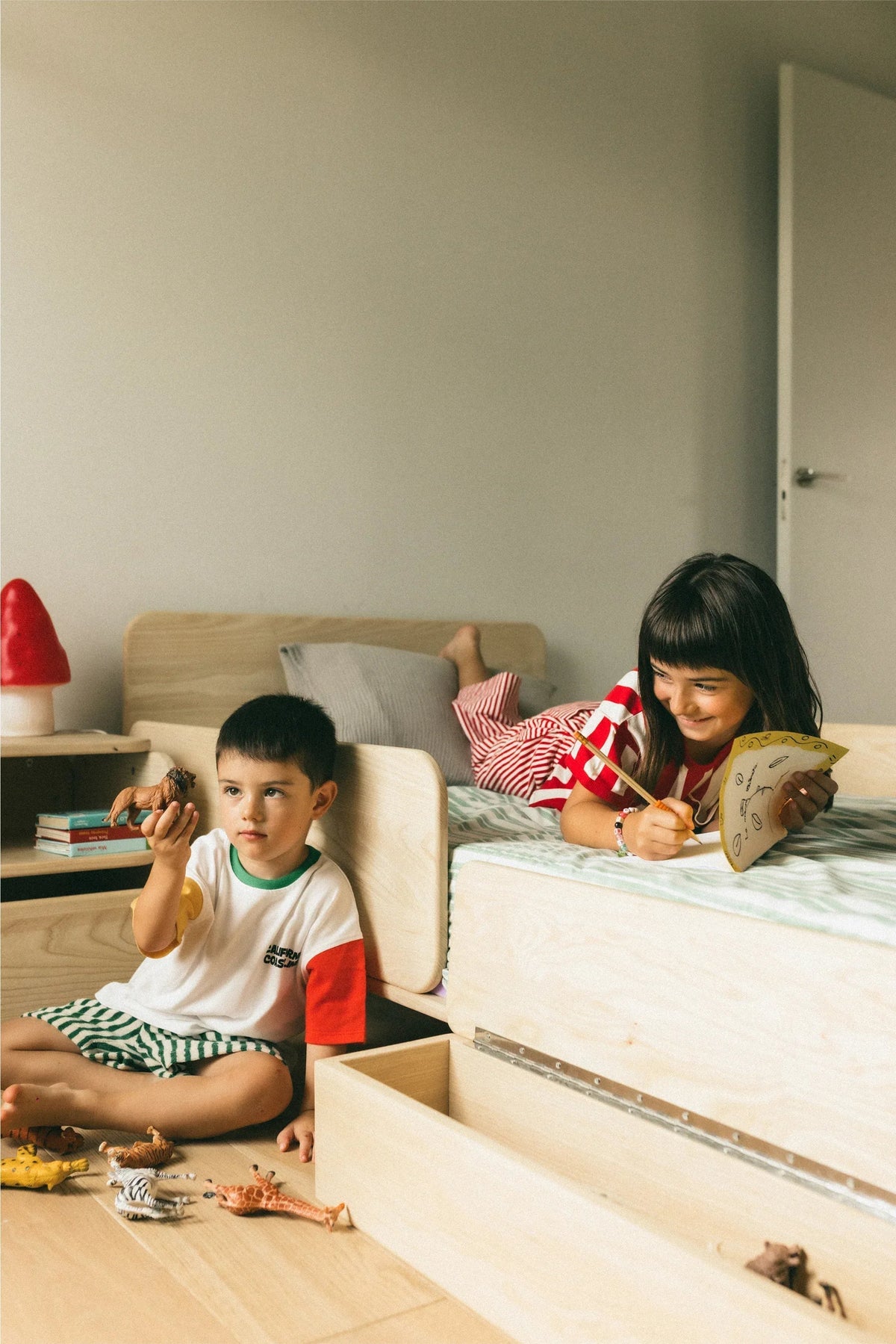
Montessori wooden bed: what it is, what age to use it and how to choose well
The Montessori bed supports your child's independence from the moment they learn to move on their own. We explain what age to use it, what height to choose, how the Mimoa and the Nono differ and why the material matters.
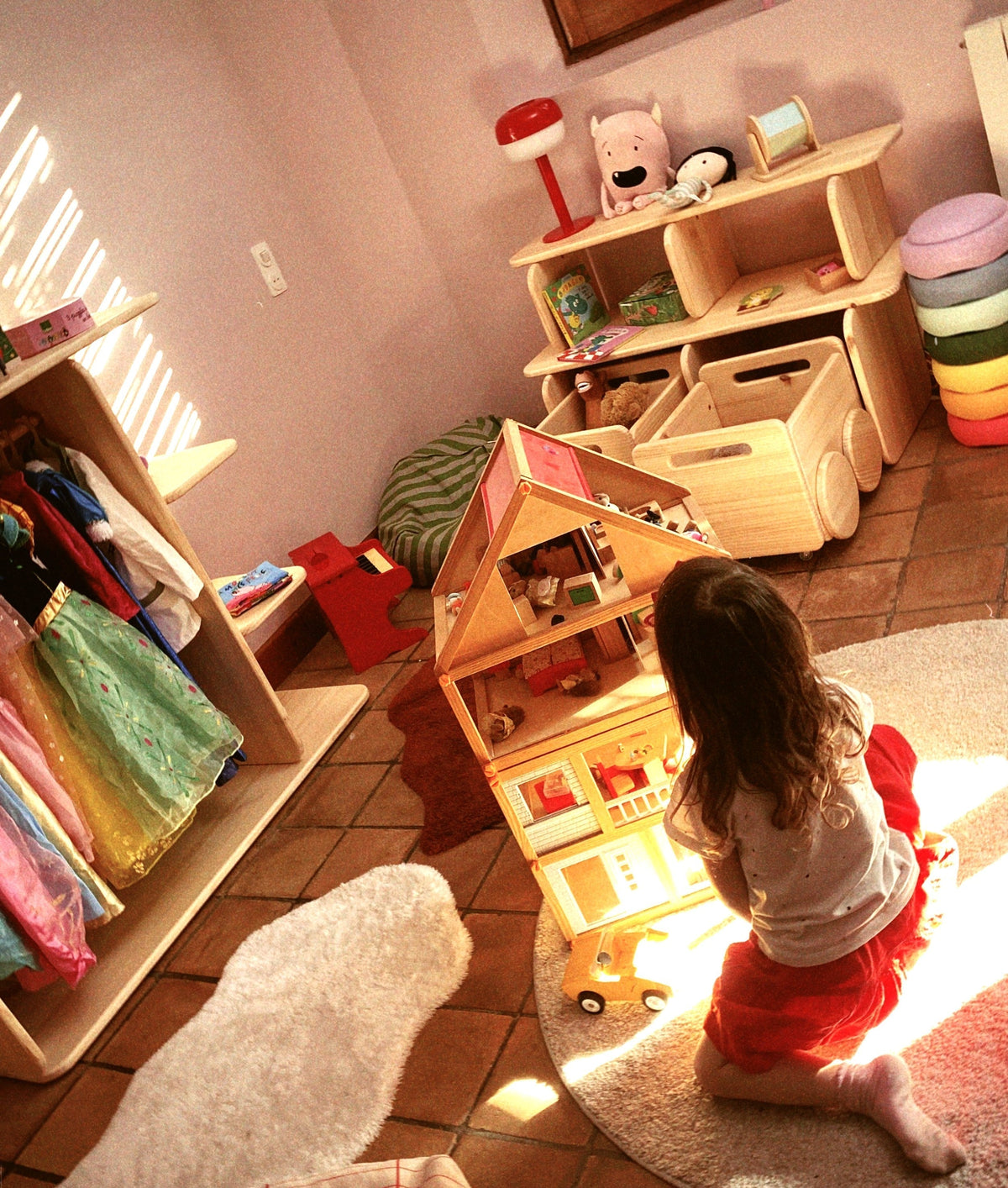
Alternatives to Buying New Children's Furniture
Second-hand, rental, growing furniture, or a circular system: these are all the real options for furnishing your child's room without always buying new. With real advantages, drawbacks, and costs.

Why It Matters Where Your Child's Cot Is Made
Importing furniture from Asia or Eastern Europe is perfectly legal and very common. Almost every major retail chain does it. The process works like this: the importer places an order with a foreign factory, negotiates the price and specifications, waits six to twelve weeks for the container to cross the ocean, and once the product arrives in Spain, checks that it meets European regulations before putting it up for sale.
Which children's furniture can be returned in Spain?
In Spain, children's furniture with a guaranteed return system is almost nonexistent. We explain which brands take it back, how the process works, and what you get in return.

What Does a Crib Really Cost? The Comparison Brands Don't Want You to Make
In this article, we compare the real cost of furniture from Circulari versus other options on the market, taking into account durability, resale value, and our exclusive Take-Back system.