
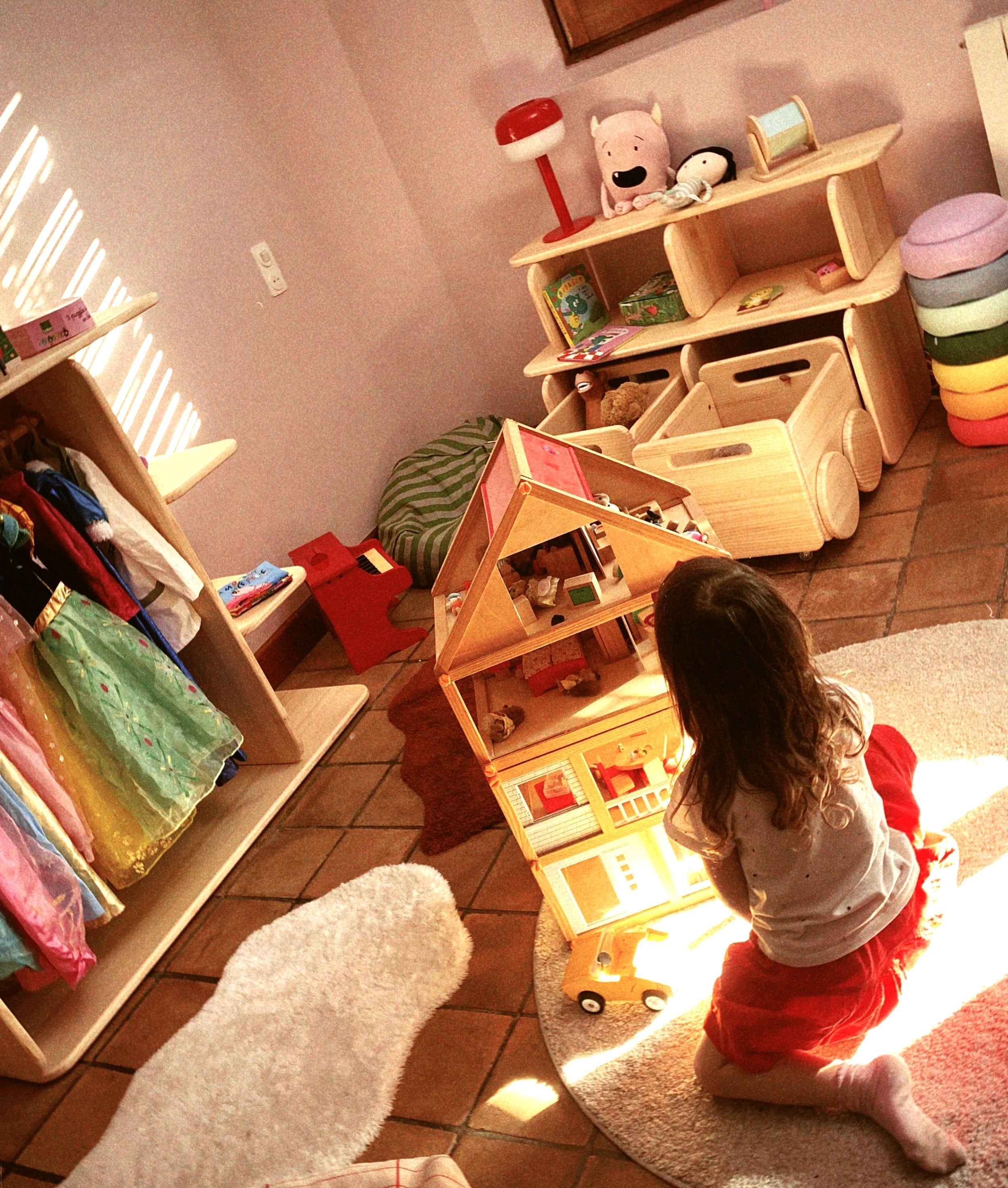
Comprar muebles infantiles nuevos cada vez que tu hijo cambia de etapa es la opción más cara, más contaminante y, paradójicamente, la más extendida. Existen alternativas reales: segunda mano, alquiler, muebles evolutivos y sistemas circulares con retorno garantizado. Cada una tiene sus ventajas, sus límites y su coste real. Aquí las comparamos sin filtro.
Segunda mano: la más popular, no siempre la mejor
Wallapop, Facebook Marketplace, grupos de mamás en WhatsApp. La segunda mano es la alternativa más accesible y la que más familias usan. Pero tiene más letra pequeña de la que parece.
Cuándo funciona bien: cuando el mueble es de calidad, está en buen estado y tienes tiempo para buscar. Una cama de madera maciza de segunda mano en buen estado es una compra excelente.
Cuándo no funciona: con muebles de aglomerado o MDF baratos. Nadie los quiere de segunda mano porque se hinchan, se desmoronan y no aguantan el desmontaje y montaje. Acabas donándolos o tirándolos de todas formas.
El problema real: la segunda mano depende de la suerte. Encontrar el mueble que necesitas, en tu zona, en buen estado y a buen precio requiere tiempo y paciencia. Y cuando tú quieres vender, tampoco hay garantías de encontrar comprador ni de a qué precio.
Alquiler de muebles infantiles: ¿existe en España?
En teoría es una buena idea: pagas por el tiempo de uso y devuelves cuando ya no lo necesitas. En la práctica, el mercado de alquiler de muebles infantiles en España es muy limitado. Existen algunas iniciativas locales, principalmente para cunas de bebé, pero sin cobertura nacional ni catálogo amplio.
Las ventajas en papel: pagas solo por lo que usas, sin inversión inicial grande, y no tienes que gestionar la salida del mueble.
Los inconvenientes reales: el coste acumulado suele ser mayor que comprar. Hay restricciones de uso (cuidado con los desperfectos). El mueble nunca es tuyo. Y la oferta en España hoy es insuficiente para amueblar una habitación completa.
Muebles evolutivos: la promesa del mueble para toda la infancia
La cuna que se convierte en cama. La trona que se transforma en silla. El concepto es atractivo: un solo mueble que acompaña al niño durante años, evitando compras sucesivas.
Cuándo tiene sentido: cuando el mueble está bien diseñado, la transformación es real y no forzada, y la calidad es suficiente para aguantar años de uso intenso.
El problema frecuente: muchos muebles "evolutivos" son evolutivos solo en el nombre. La conversión requiere comprar kits adicionales, el resultado final no es óptimo para la nueva etapa, o el mueble llega a la fase de cama tan desgastado que no merece la pena. Además, pagas por adelantado toda la vida útil del mueble, aunque las necesidades de tu hijo cambien de formas que no esperabas.
Y al final, cuando el niño crece del todo, el problema de qué hacer con el mueble sigue siendo tuyo.
Sistema circular con retorno garantizado: la tercera vía

Es la alternativa menos conocida y, en muchos casos, la más inteligente. La idea es comprar un mueble de calidad diseñado desde el principio para tener múltiples vidas, usarlo el tiempo que necesites y devolverlo al fabricante cuando ya no te sirva, recibiendo parte del valor a cambio.
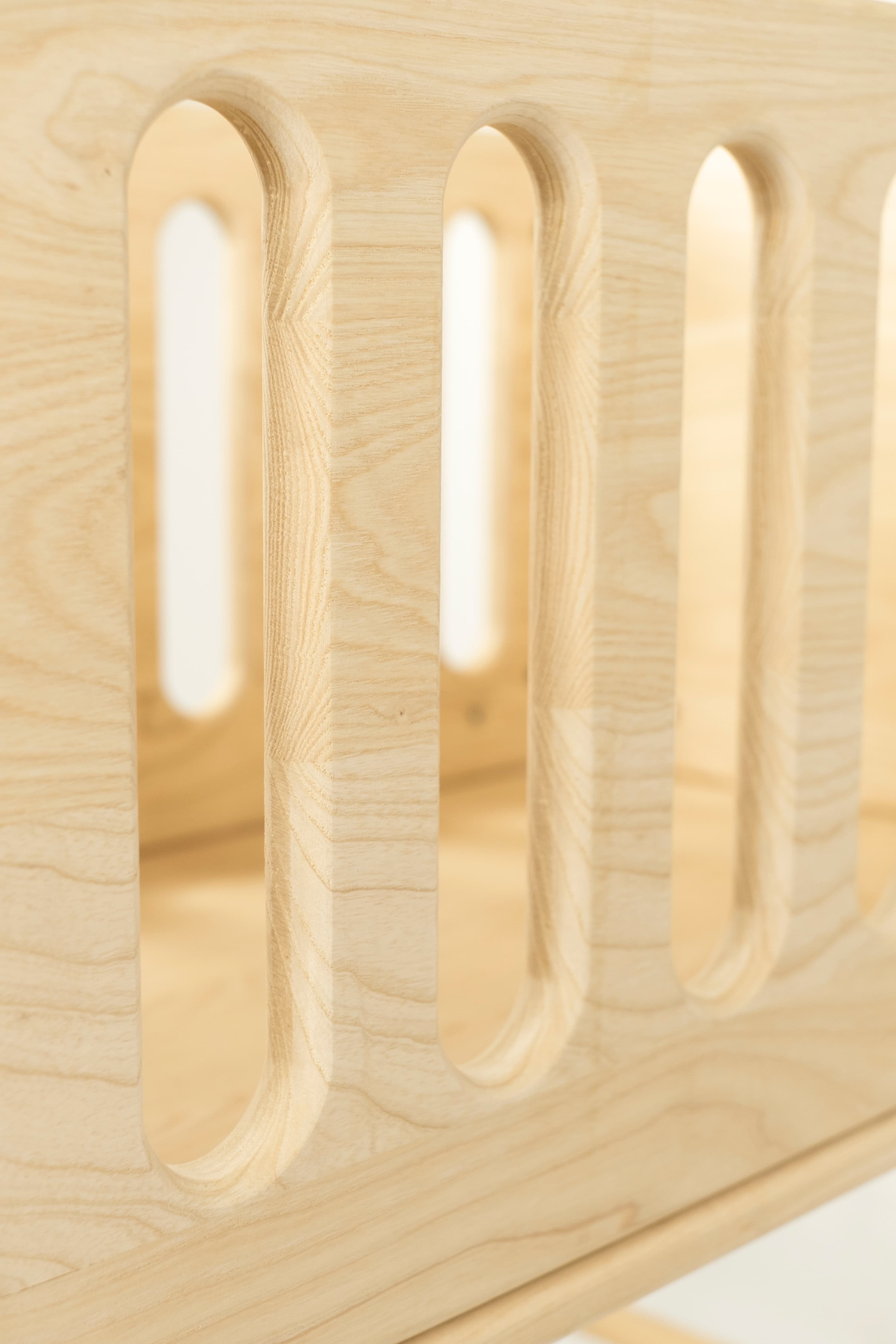
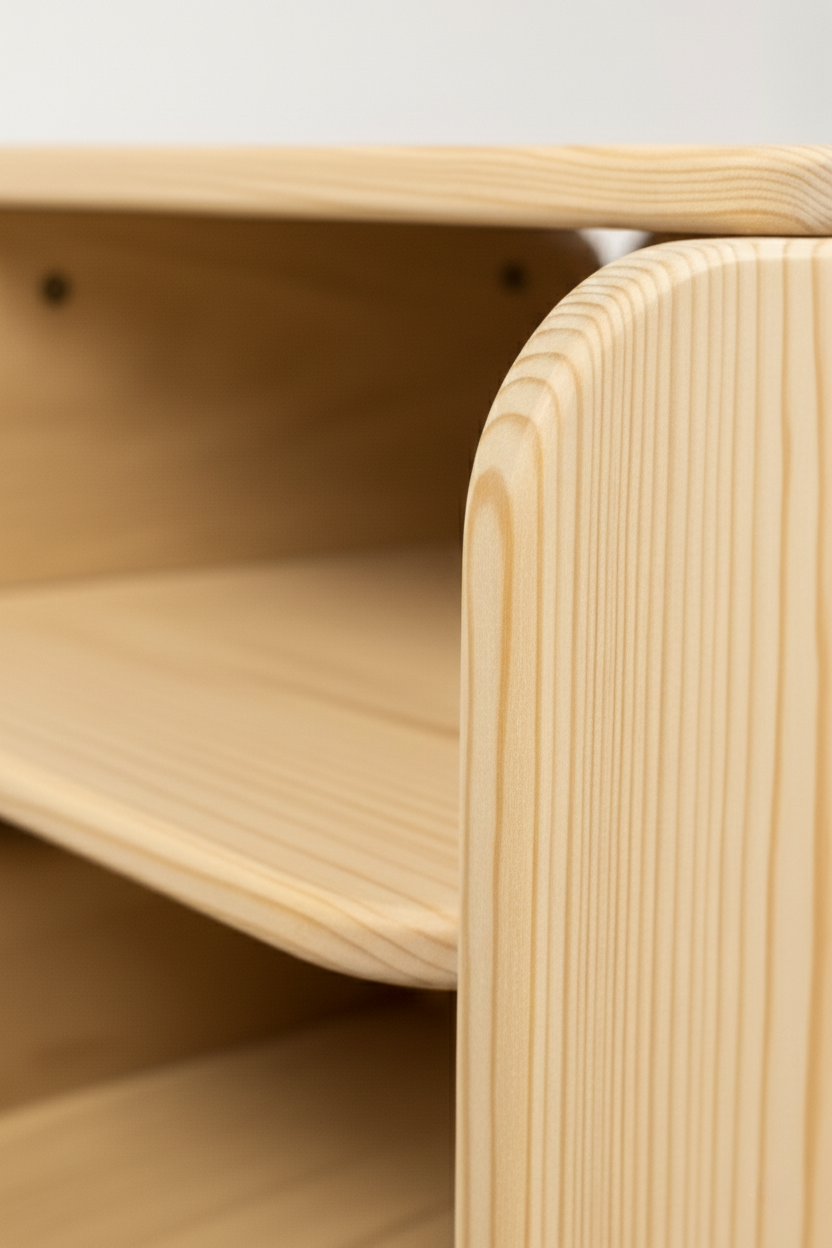
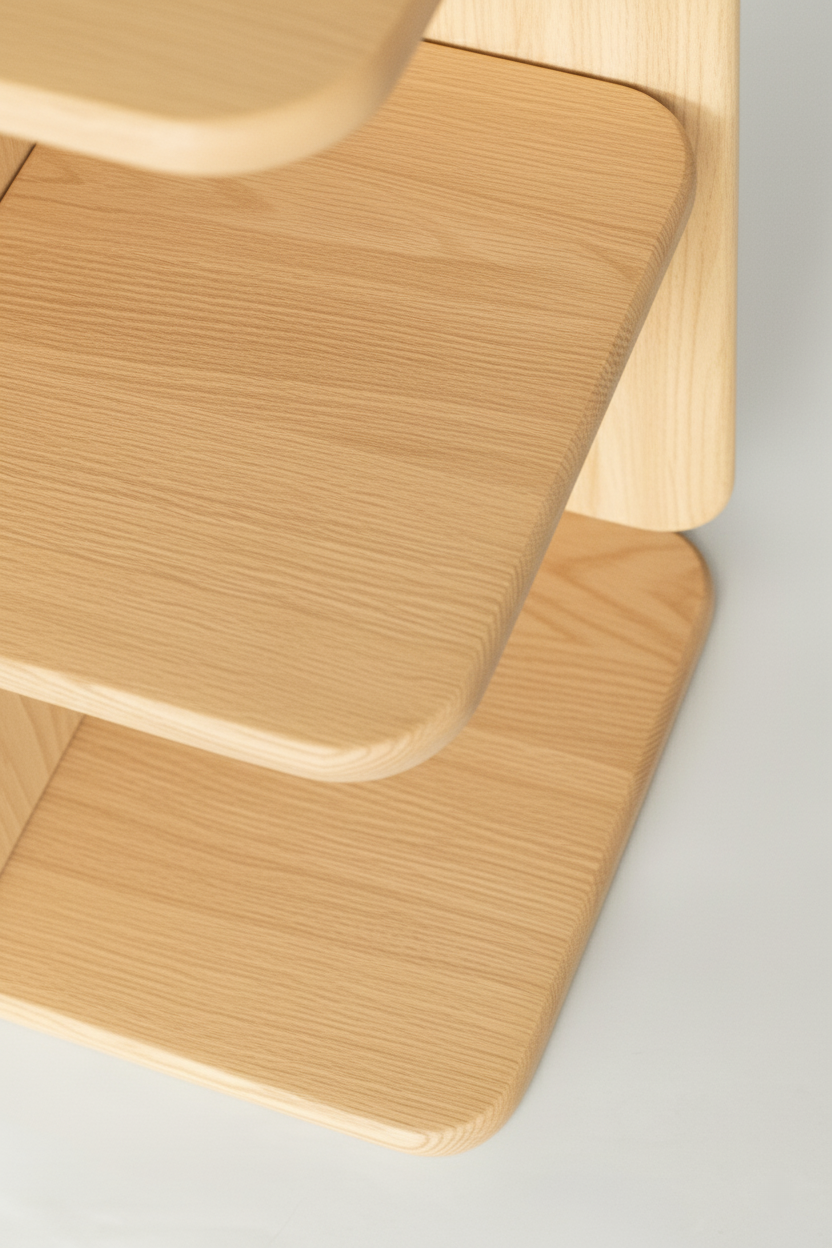
En España, Circulari es la única marca de muebles infantiles con este sistema funcionando a escala nacional. Fabrican en madera maciza cerca de Barcelona, recogen el mueble en tu domicilio cuando decides devolverlo y te compensan con un vale del 30% del precio original para tu siguiente compra, o un abono directo del 15%.
La diferencia respecto a la segunda mano es que el retorno está garantizado desde el momento de la compra. No dependes de encontrar comprador ni de negociar precio. Y la diferencia respecto al alquiler es que el mueble es tuyo, sin restricciones de uso ni penalizaciones por el desgaste normal.
Comparativa real: ¿qué sale más a cuenta?

| Opción | Inversión inicial | Gestión al final | Retorno económico | Calidad garantizada |
|---|---|---|---|---|
| Nuevo low-cost | Baja | Tú te encargas (difícil) | Ninguno | No |
| Segunda mano | Baja-media | Tú te encargas (variable) | Variable e incierto | Depende |
| Alquiler | Baja (cuota mensual) | Devolución al proveedor | Ninguno (es un gasto) | Variable |
| Evolutivo premium | Alta | Tú te encargas | Bajo (segunda mano) | Sí |
| Circulari con retorno | Media | El fabricante lo recoge | 30% garantizado | Sí |
¿Qué opción encaja con tu situación?
Si tienes presupuesto ajustado y tiempo: la segunda mano bien elegida es una opción sólida. Busca muebles de madera maciza, huye del aglomerado y verifica el estado antes de comprar.
Si quieres comprar nuevo sin preocuparte de qué hacer después: el sistema circular con retorno garantizado es la opción más cómoda y la que mejor cierra el ciclo. Pagas algo más al principio, pero el coste real a largo plazo es competitivo y no tienes que gestionar nada cuando el mueble ya no te sirve.
Si te atrae el concepto evolutivo: investiga bien que la conversión sea real y que la calidad aguante los años. Hay muebles evolutivos bien resueltos, pero son los menos.
Si el alquiler te parece lo más lógico: revisa bien los costes acumulados y las condiciones de uso antes de comprometerte. En muchos casos sale más caro de lo que parece.
Lo que sí es cierto en todos los casos: la decisión más cara suele ser comprar barato y tirar. El coste real de ese ciclo —para el bolsillo y para el planeta— es el más alto de todos.
Share: