
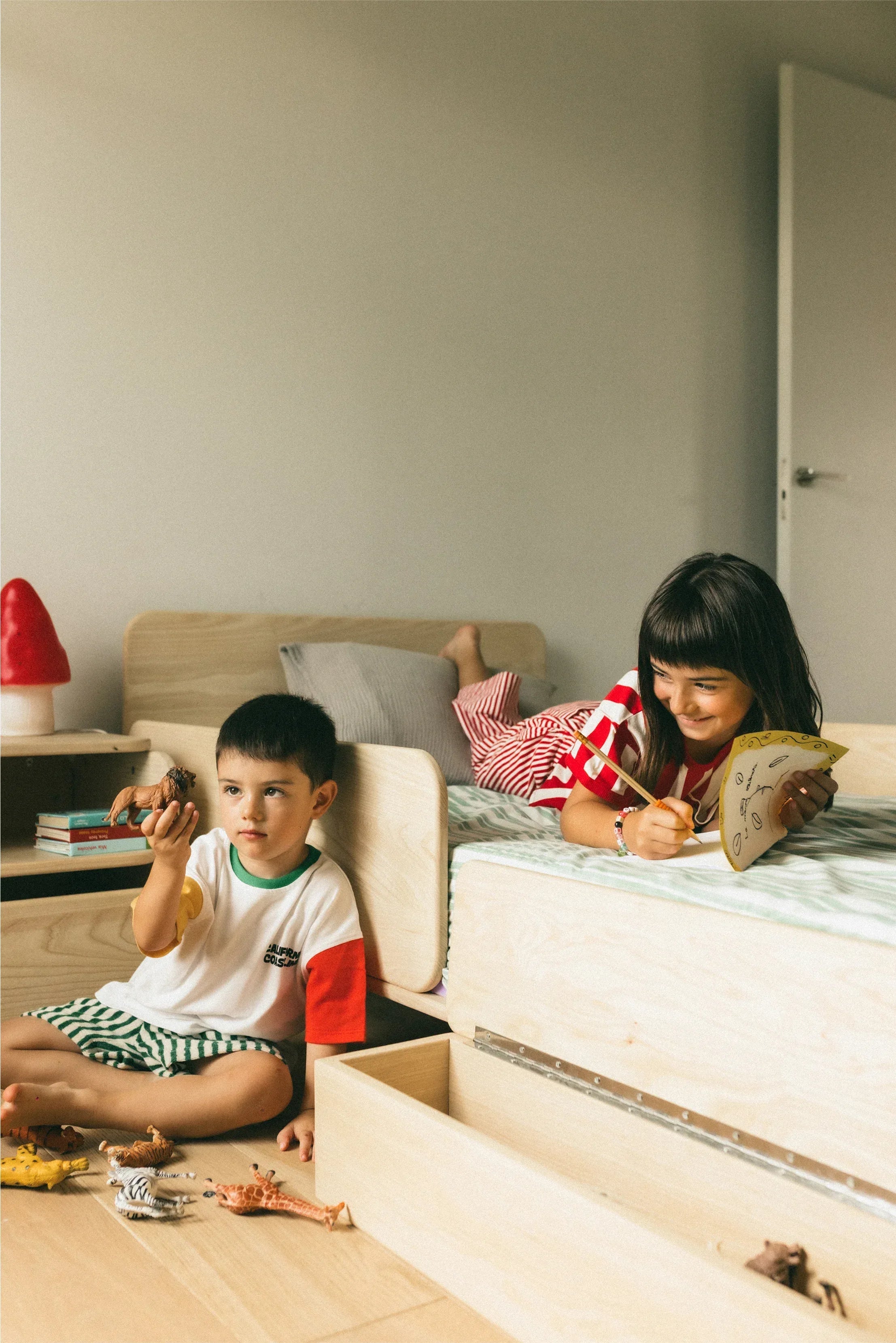
La cama Montessori es una cama baja, sin barrotes, que permite al niño entrar y salir solo sin ayuda del adulto. La idea viene del método educativo de María Montessori: dar al niño un entorno preparado donde pueda moverse con libertad, desarrollar autonomía y explorar el espacio a su ritmo. Aplicado al dormitorio, eso significa una cama que no lo encierra, que está cerca del suelo y que invita al movimiento en lugar de limitarlo.
Pero hay algo que casi nadie te cuenta cuando buscas una cama Montessori: el diseño importa, y el material importa todavía más. Una cama baja de aglomerado no es lo mismo que una cama baja de madera maciza, aunque las dos se llamen igual.

¿A qué altura del suelo debe estar una cama Montessori?
La cama Montessori pura está a ras de suelo —literalmente el colchón en el suelo o sobre una base mínima— para que incluso un bebé de pocos meses pueda rodar fuera de ella sin peligro. A medida que el niño crece, la altura puede aumentar ligeramente sin perder la esencia del concepto.
En la práctica, la mayoría de las camas Montessori del mercado están entre 10 y 20 cm del suelo. Esa altura mantiene los beneficios clave —el niño puede subir y bajar solo, la caída accidental no tiene consecuencias graves— sin renunciar a la comodidad de tener el colchón elevado del frío del suelo y con mejor ventilación.
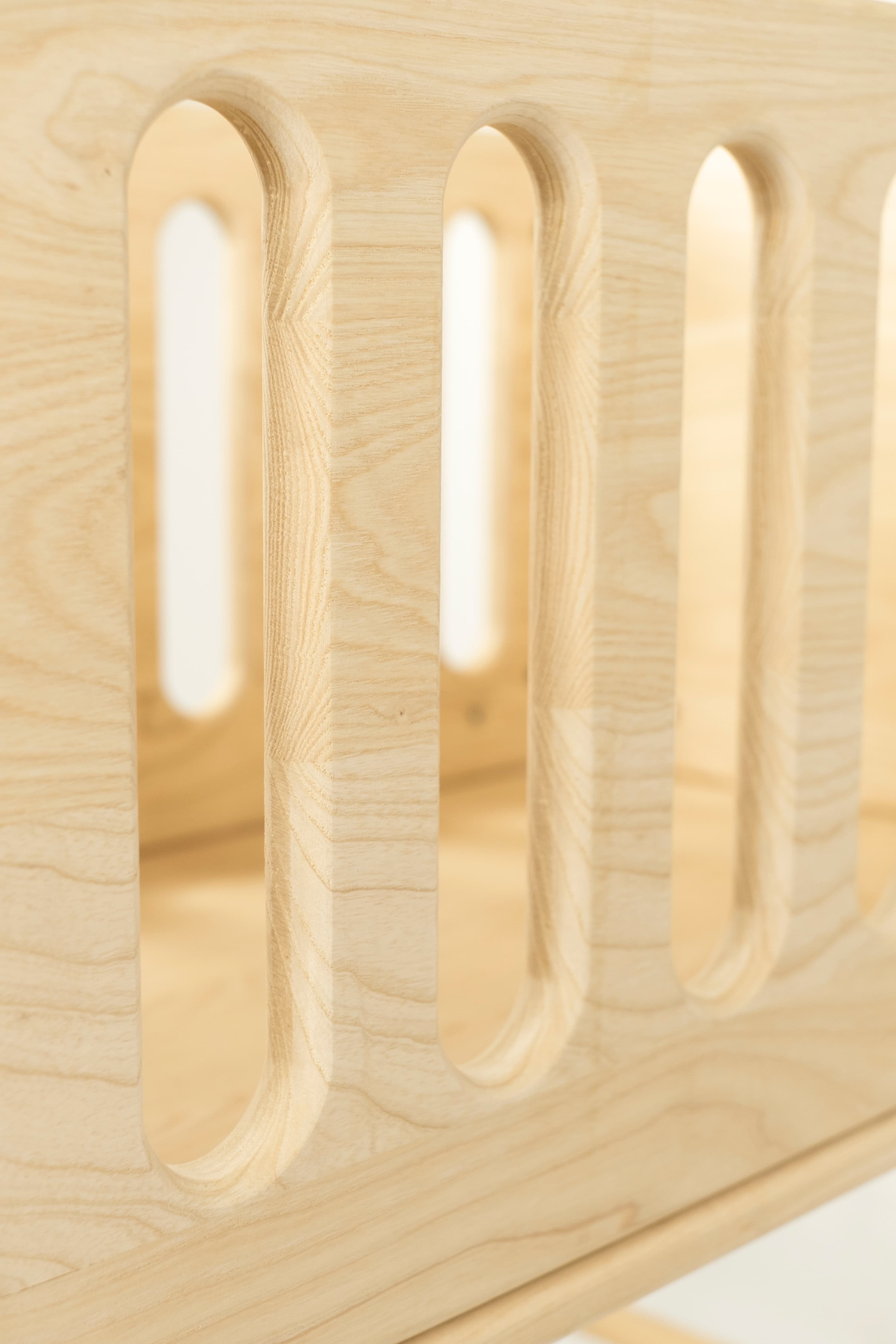
La cama Nono de Circulari está a 15 cm del suelo. Es una cama junior de madera maciza —de pino o fresno— con laterales integrados que aportan protección y estabilidad sin encerrar al niño. Está diseñada para acompañar la etapa de 3 a 10 años aproximadamente, cuando el niño ya ha superado la cuna pero necesita un espacio que respete su escala y su autonomía.
Por qué el método Montessori pone el dormitorio en el centro
María Montessori desarrolló su método a principios del siglo XX observando cómo los niños aprenden mejor cuando el entorno está adaptado a ellos, no al revés. En el dormitorio, eso tiene implicaciones concretas:
- La cama baja permite autonomía real. Un niño que puede levantarse solo cuando se despierta no tiene que esperar al adulto. Aprende a gestionar su tiempo, su espacio y sus rutinas desde muy pequeño.
- Sin barrotes, sin jaulas. La cuna tradicional encierra al niño en un espacio del que no puede salir. La cama Montessori le da acceso libre al suelo, donde puede jugar, moverse y explorar cuando se despierta.
- El suelo es parte del entorno de juego. Con una cama baja, el suelo de la habitación se convierte en una extensión natural del espacio de descanso. Una alfombra grande, algunos libros al alcance de la mano: el dormitorio deja de ser solo un lugar para dormir.
¿A partir de qué edad se usa una cama Montessori?
Depende del diseño. Las camas a ras de suelo pueden usarse desde los primeros meses —algunos padres las usan desde el nacimiento en lugar de cuna. Las camas bajas de entre 10 y 20 cm, como la Nono, están pensadas para el momento en que el niño da el salto de la cuna a la cama, habitualmente entre los 2 y los 3 años.
No hay una edad exacta. La señal más clara es cuando el niño empieza a intentar salir de la cuna por su cuenta. En ese momento, la cama baja es más segura que la cuna —porque elimina el riesgo de caída desde altura— y más adecuada que una cama normal, porque el niño puede gestionarla solo.
Por qué el material de la cama Montessori importa más de lo que parece
Una cama Montessori baja de aglomerado y una de madera maciza tienen el mismo diseño. Pero no son el mismo producto.
Los tableros de aglomerado y MDF contienen resinas de urea-formaldehído que se liberan lentamente al aire durante años. En una habitación infantil bien ventilada el impacto es limitado. En la habitación de un niño que duerme 10 horas a pocos centímetros de esa superficie, la exposición es prolongada y constante. Los COVs y el formaldehído se asocian con irritación respiratoria, alergias y, en exposición intensa, efectos más graves.
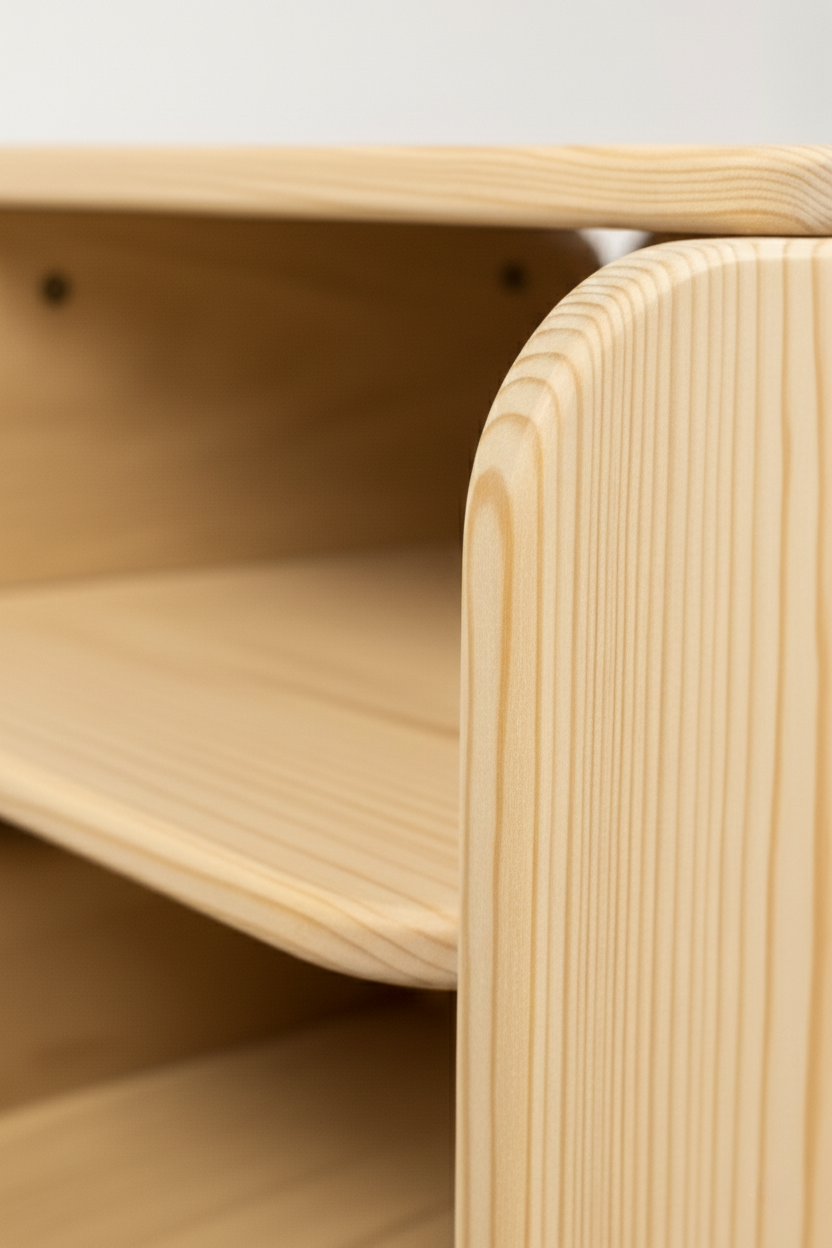
La madera maciza no tiene este problema. No lleva resinas sintéticas, no emite formaldehído y sus compuestos naturales —especialmente en el pino— tienen propiedades antimicrobianas documentadas. Los acabados al agua sin poliuretanos completan un mueble que, literalmente, no emite nada que no debería estar en la habitación donde duerme tu hijo.
Hay otra razón práctica: la madera maciza aguanta el uso. Una cama baja vive en el suelo —literalmente—, está expuesta a golpes, juegos, saltos. El aglomerado se astilla, se hincha con la humedad y no admite reparación. La madera maciza envejece bien, se puede lijar y retocar, y puede tener una segunda vida cuando tu hijo la supere.
Cama Montessori vs. cuna: cuándo hacer el cambio
La señal más clara para hacer el cambio de cuna a cama baja no es la edad, sino el comportamiento: cuando el niño empieza a intentar trepar y salir de la cuna, es el momento. Seguir en una cuna alta después de ese punto es más peligroso que pasarse a una cama baja antes.
El proceso de transición suele ser más fácil de lo que los padres esperan. El niño ya conoce su habitación, ya tiene sus rutinas. Lo que cambia es que ahora tiene más libertad —y esa libertad, bien preparada, refuerza la autonomía en lugar de generar inseguridad.
Algunos consejos para la transición:
- Prepara el suelo: una alfombra grande alrededor de la cama amortigua cualquier rodadura accidental.
- Pon los libros y juguetes favoritos al nivel del suelo, accesibles desde la cama.
- Las primeras noches pueden requerir que el niño explore el nuevo espacio antes de dormirse. Es normal y pasa.
- Si la habitación tiene elementos peligrosos al alcance, asegúralos antes de dar el paso.

Lo que Circulari hace diferente
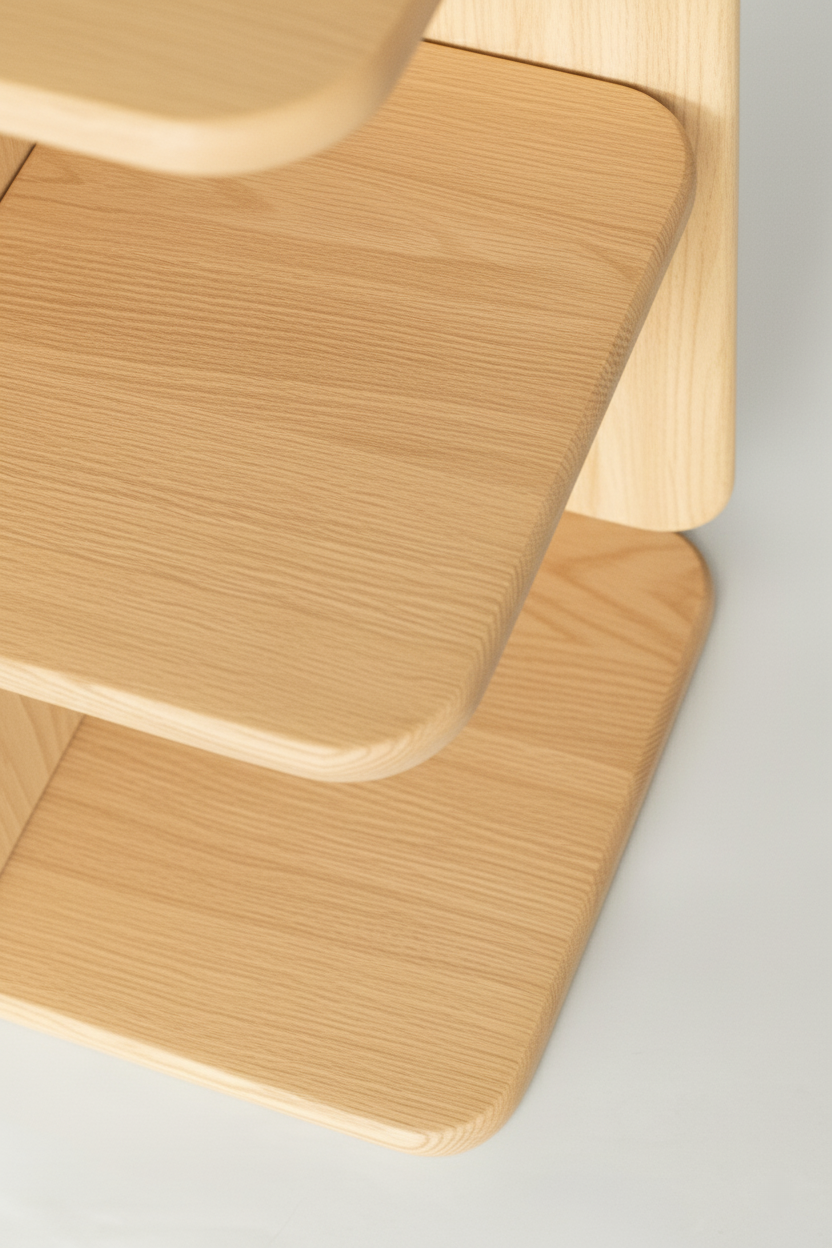
La cama Nono está fabricada en madera maciza de pino o fresno en nuestro taller de Barcelona, con acabados al agua sin poliuretanos ni COVs. Los laterales integrados dan estabilidad y una sensación de espacio propio sin barrotes que encierren. Está pensada para ser el mueble perfecto para la etapa de 3 a 10 años —no un compromiso que sirve para todo, sino la pieza exacta para ese momento.
Y cuando ese momento pase, puedes devolvérnosla. Nosotros la recogemos en tu domicilio, la restauramos en taller y te devolvemos el 30% de su valor en crédito para el siguiente mueble, o el 15% en efectivo. El círculo se cierra: tu hijo estrena la siguiente etapa, el planeta no recibe un mueble más en el vertedero.
Si quieres entender mejor cómo funciona ese sistema antes de comprar, lo explicamos aquí.
Share: