
Europa ha decidido que los muebles ya no pueden seguir siendo objetos de usar y tirar. Entre 2026 y 2028, una serie de normativas van a cambiar de forma sustancial cómo se diseñan, fabrican, venden y gestionan al final de su vida útil los muebles en la Unión Europea. Para las familias, esto significa más información, más garantías y más presión sobre las marcas para que fabriquen de forma responsable. Para las marcas que ya trabajan en circular, significa que Europa les está dando la razón.
El Reglamento de Ecodiseño: la norma que lo cambia todo
El Reglamento Europeo de Diseño Ecológico para Productos Sostenibles (ESPR, por sus siglas en inglés) entró en vigor en julio de 2024. Es el marco legal más ambicioso que ha aprobado la UE en materia de sostenibilidad de productos, y los muebles están en su punto de mira.
El ESPR no es una ley de reciclaje. Es mucho más profundo: obliga a que los productos estén diseñados desde el principio para durar más, repararse más fácilmente, desmontarse, remanufacturarse y reciclarse. En otras palabras, obliga a diseñar en circular. Algo que algunas marcas ya hacen por convicción, y que ahora tendrán que hacer por ley.
Los requisitos concretos para muebles cubrirán aspectos como durabilidad, fiabilidad, posibilidad de reparación, facilidad de desmontaje, contenido en materiales reciclados y potencial de remanufacturación. El calendario previsto sitúa los requisitos específicos para el sector del mueble en 2028.
El Pasaporte Digital de Producto: 2027
Una de las medidas más concretas e inmediatas es el Pasaporte Digital de Producto (DPP). A partir de 2027, cada mueble vendido en la Unión Europea deberá llevar un registro digital accesible mediante código QR con información detallada sobre los materiales utilizados, su durabilidad, reparabilidad y reciclabilidad.
La idea es que cualquier persona pueda escanear un mueble y saber exactamente de qué está hecho, dónde se fabricó, si contiene sustancias preocupantes, cómo se repara y qué pasa con él al final de su vida útil. El registro centralizado de pasaportes digitales estará operativo en julio de 2026, con incorporación voluntaria desde esa fecha y obligatoria para muebles a partir de 2027.
Para las familias, esto es una revolución. Hoy es casi imposible saber si un mueble lleva formaldehído, si la madera tiene certificación real o si el barniz emite COVs. Con el DPP, esa información será pública y accesible de forma estandarizada.
Responsabilidad Ampliada del Productor: 2026
En 2026 entra en marcha en la UE el sistema de Responsabilidad Ampliada del Productor (RAP) para muebles. Esto significa que los fabricantes serán legalmente responsables de lo que pasa con sus productos al final de su vida útil, no solo de venderlos.
En la práctica, implica que las marcas tendrán que financiar la recogida, el tratamiento y el reciclaje de los muebles que ponen en el mercado. Las que ya tienen sistemas de retorno propios —como el sistema de devolución de Circulari— estarán mejor posicionadas para cumplir esta normativa, porque ya gestionan el ciclo completo del producto.
Para las marcas que hoy se desentienden del mueble tras la venta, 2026 supone un cambio de modelo obligatorio.
Qué significa esto para una familia que compra muebles hoy
A corto plazo, la normativa no cambia lo que encuentras en las tiendas. Pero sí da pistas sobre qué tipo de mueble tiene sentido comprar si piensas en el medio plazo:
- Los muebles baratos de aglomerado tienen los días contados como modelo de negocio. La normativa va a encarecer su producción y gestión al final de vida, y las marcas que los fabrican tendrán que adaptarse o repercutir ese coste.
- La información sobre materiales será obligatoria. Si una marca no puede decirte hoy de qué está hecho su mueble con precisión, en 2027 tendrá que hacerlo. Eso va a poner en evidencia muchos productos que hoy se venden como "ecológicos" sin serlo realmente.
- Los fabricantes con sistemas de retorno ya están cumpliendo el espíritu de la ley. La responsabilidad ampliada del productor premia a quienes ya gestionan el ciclo completo del producto.
Por qué Europa va en la misma dirección que Circulari
No es casualidad. La economía circular no es una tendencia de marketing: es la dirección en la que se mueve la regulación europea porque es la única respuesta sensata al problema de los residuos de muebles. En la UE se generan más de 10 millones de toneladas de residuos de muebles cada año, y la gran mayoría acaba incinerada o en vertederos.
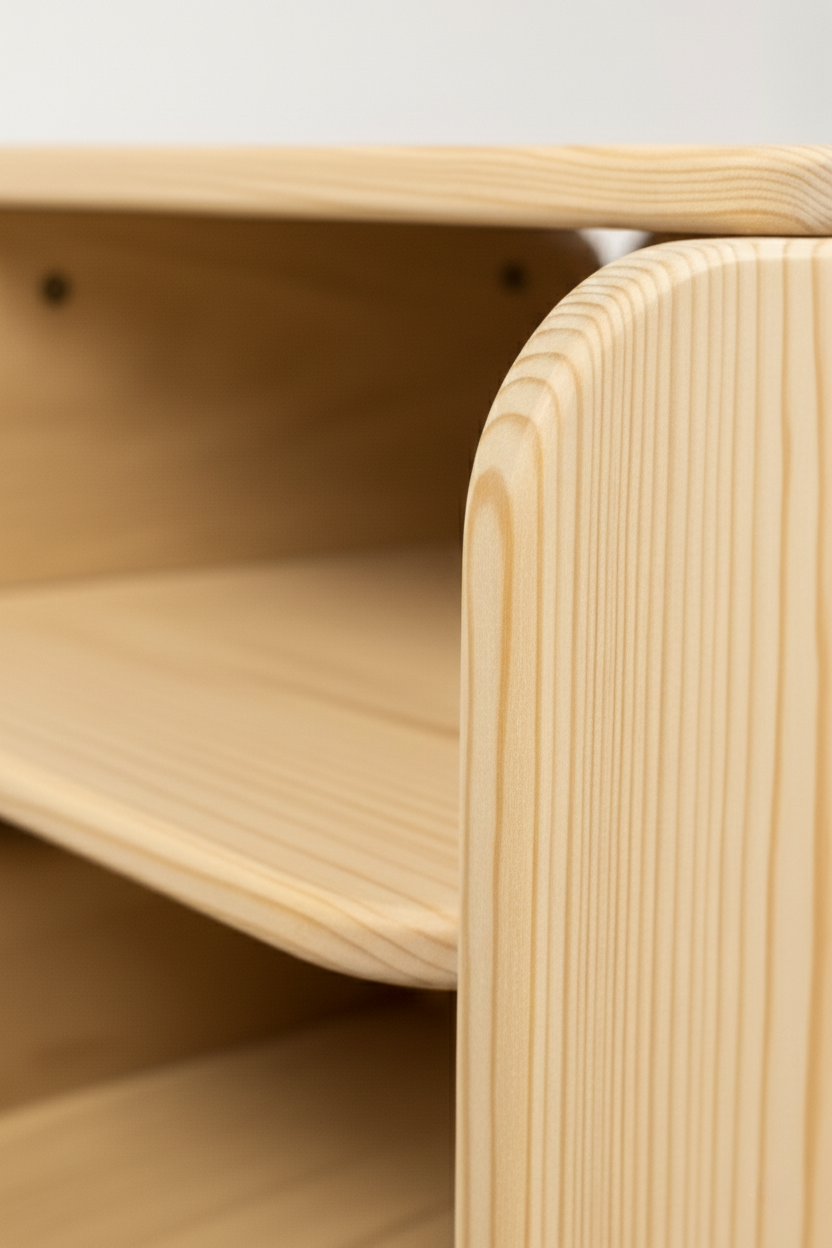
En Circulari llevamos desde el principio diseñando para la circularidad: madera maciza que aguanta el lijado y la restauración, sistemas de retorno con compensación económica, fabricación local para reducir la huella logística. No porque la ley nos obligara, sino porque es la única forma coherente de hacer muebles.
La normativa europea no nos pilla de nuevas. Nos confirma que íbamos por el buen camino.
Fechas clave para recordar
- Julio 2024: Entra en vigor el Reglamento ESPR.
- 2026: Entra en marcha la Responsabilidad Ampliada del Productor para muebles en la UE. El registro de Pasaportes Digitales de Producto abre de forma voluntaria.
- 2027: El Pasaporte Digital de Producto se vuelve obligatorio para muebles vendidos en la UE.
- 2028: Requisitos específicos de ecodiseño para el sector del mueble: durabilidad mínima, reparabilidad, desmontabilidad y restricciones sobre materiales.
Descubre cómo el sistema Circulari ya cumple con el futuro de la normativa europea →
Share: