
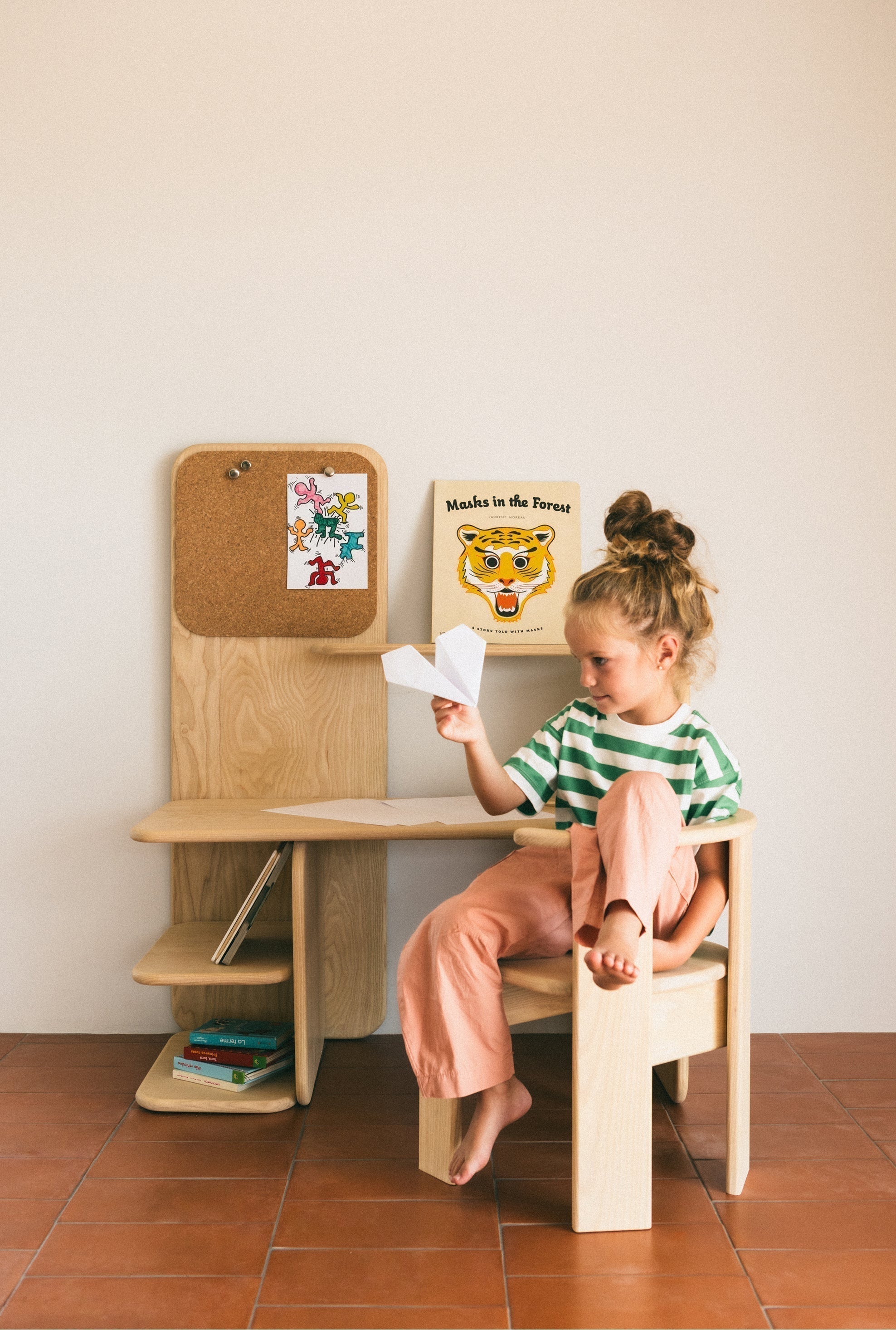
Have you ever stopped to think what happens to all that children's furniture when your kids grow up?The arrival of a new family member often implies an invasion of furniture made from ephemeral materials that will soon cease to be useful. This is a direct result of the consumption model we are immersed in, but fortunately, a sustainable alternative exists.
The problem with the linear model: "Buy, use, and throw away"
For decades, our society has operated under a linear economic model based on the premise of "extract, produce, and dispose". In this system, natural resources are turned into products that are destined to become waste due to how they have been manufactured.
- This traditional cycle depletes valuable raw materials and generates unnecessary waste.
- Globally, less than 15% of secondary materials and resources re-enter the economy after their first use.
- In the specific furniture sector, the European Union discards about 10 million tons of furniture annually, the vast majority of which ends up in landfills or incinerators.
The Alternative: What is the Circular Economy?
In contrast to the culture of waste, the circular economy proposes transforming our way of consuming, moving from a destructive system to a completely regenerative one.This innovative model is built upon three fundamental principles:
- Eliminate waste and pollution from the design phase itself.
- Keep products and materials in use for as long as possible to preserve their value.
- Regenerate natural ecosystems.
Instead of "use and throw away", the circular economy promotes repair, refurbishment, and remanufacturing. The goal is to create a continuous cycle where the product's value is extended to the maximum.
Circulari and Smart Ecodesign
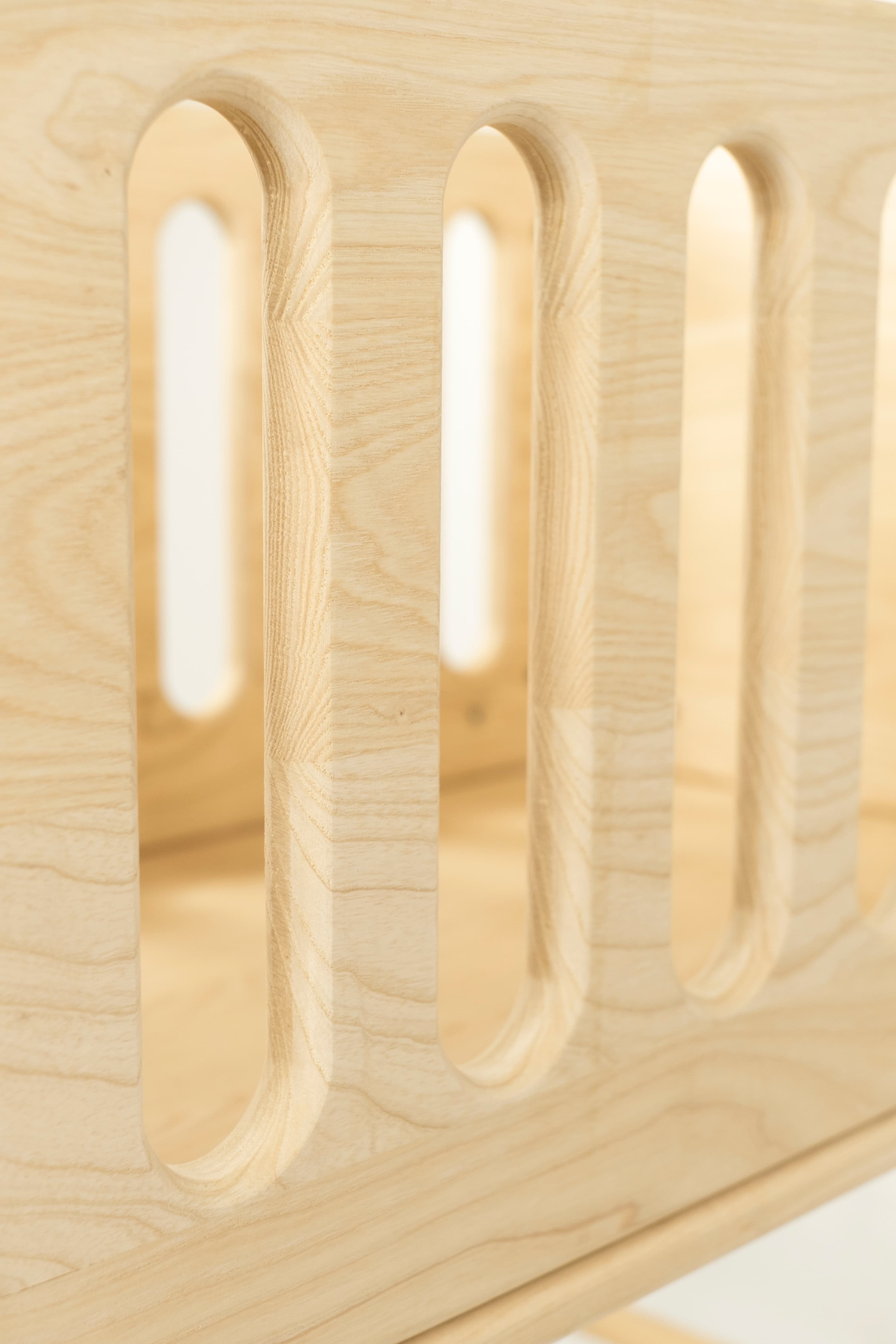
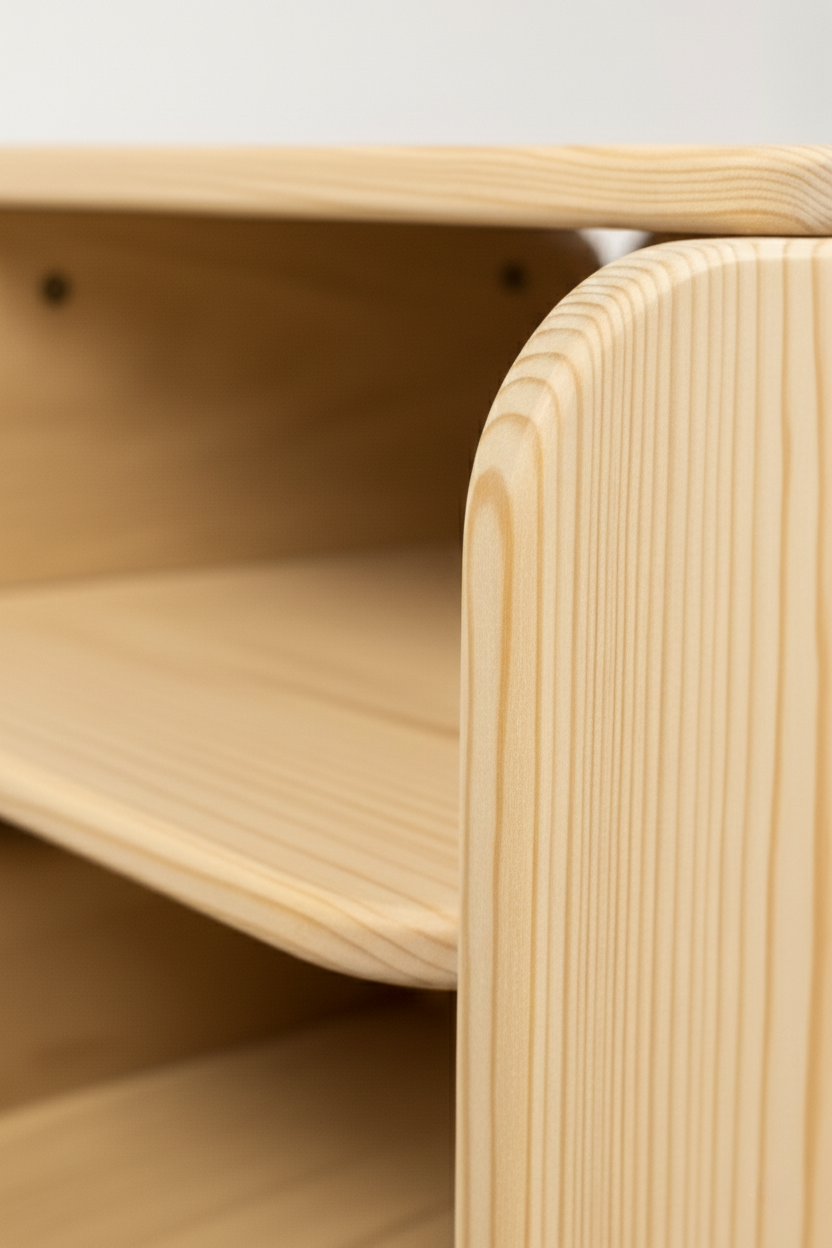
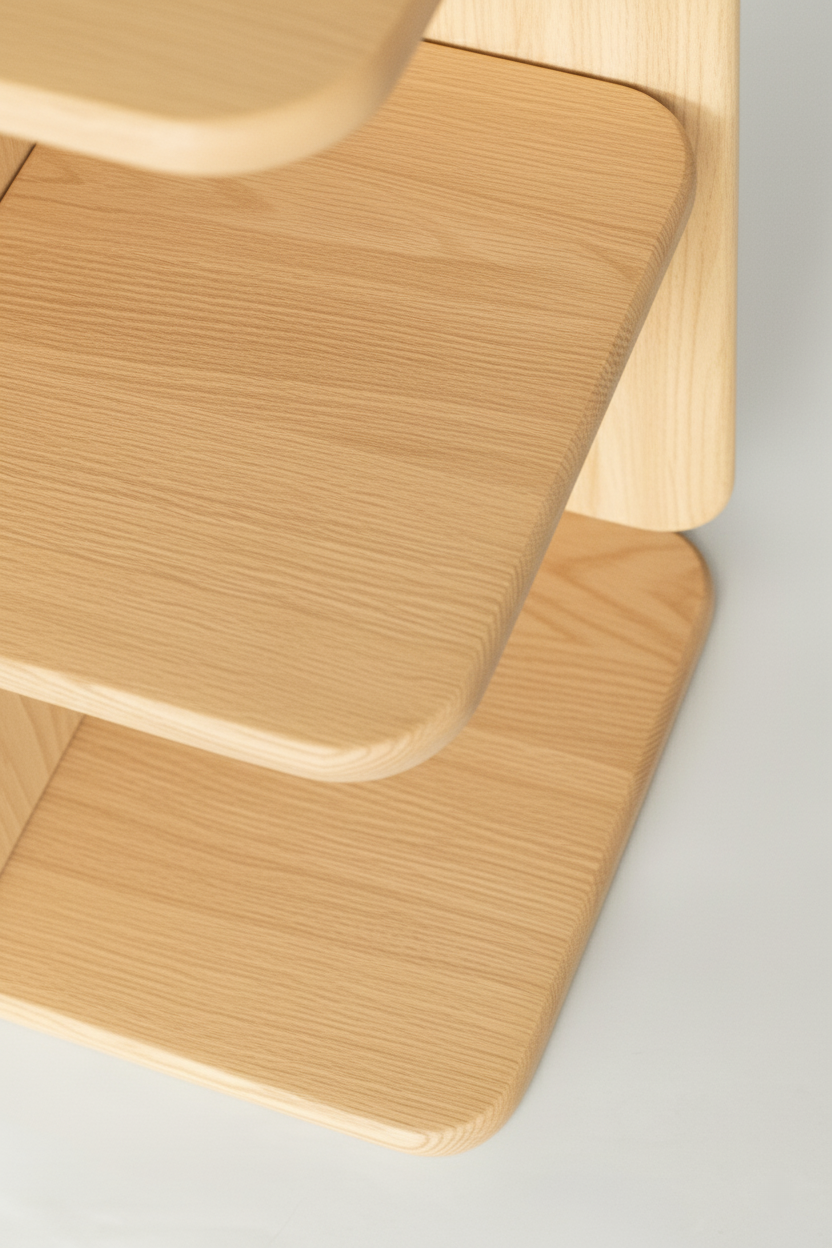
En Circulari hemos integrado estos principios en nuestro ADN con una filosofía muy clara: "No fabricamos muebles para niños, sino muebles para hogares con niños".Para lograr que un producto permanezca en uso sin perder calidad, aplicamos el ecodiseño desde el primer boceto. Huimos de materiales como el aglomerado, que se degrada rápidamente, y apostamos por maderas macizas autóctonas con barnices al agua. Gracias a esta materialidad noble, piezas como el escritorio Orian o la silla Tavili están preparadas para resistir el paso del tiempo y tener múltiples vidas.

The "Seven Lives" System: Closing the Loop
We know your family's needs change quickly. That's why we have designed the "Seven Lives" guaranteed buy-back contract, preventing clutter accumulation in storage rooms and waste generation.The operation of this circular system is very simple:
- Guaranteed buy-back: When your child grows up and the furniture no longer serves its purpose, you can return it to us.
- Financial reward: We credit you up to 30% of the original value as credit for the next stage of furniture, or a direct refund of 15%.
- Artisanal restoration: The pieces return to our workshop. There we sand and refurbish them to make them indistinguishable from new, ready to accompany a new family.

Comparison between traditional system and Circulari
| Feature | Traditional Children's Furniture | Circular Furniture (Circulari) |
| Life Cycle | Linear: Buy -> Use -> Dispose (End of life in landfill). | Circular: Buy -> Use -> Return -> Remanufacture (Infinite life). |
| Materials | Melamine, particle board, or MDF with synthetic resins and formaldehydes. | Certified solid wood (Ash/Pine). Natural finishes without VOCs. |
| Durability | Obsolescent design, difficult to repair or disassemble without damage. | Handcrafted and robust design, intended to be repaired and last for generations. |
| Carbon Footprint | High: Mass manufacturing (often Asia) and transatlantic shipping. | Low: Local manufacturing (Zero Kilometer) and optimized reverse logistics. |
| End of use for the customer | Waste management by the customer (search for recycling centers). | Simplified management: Circulari picks up the furniture at your home. |
| Economic Return | Zero or second-hand market (devalued and slow). | Guaranteed 30% value of your original purchase for future products. |
Join responsible consumptionChoosing sustainable furniture is investing in a cleaner future and the harmony of your home. By applying the circular economy, we not only prevent thousands of furniture pieces from ending up in landfills, but we also educate new generations on the value of caring for what we have.
CIRCULARI SYSTEM
Ourfurniturenotendwhenyourchildrengrow up.Whenalreadynotthemneed,return themandreceiveup tothe30%ofitsvalue.Soofsimple.Soofcircular.
Are you ready to transform your home with circular furniture?Discover our complete collection and start enjoying Mediterranean design that respects the planet. Leave us a comment telling us what you think of our "Seven Lives" system or subscribe to our newsletter so you don't miss any news!
Share: