
When setting up a nursery, we usually focus on colors, the softness of textiles, and the safety of the crib bars. However, there's an invisible enemy we often overlook: VOCs or Volatile Organic Compounds.
In this article, we explain what they are, how they affect children's health, and why at Circulari we have decided to banish them from our workshop.
What are VOCs and where do they hide?
Volatile Organic Compounds are chemical substances that easily turn into gases or vapors at room temperature. They are invisible, but often "smelled" (that typical "new furniture smell" is, in reality, the off-gassing process of chemicals).
In traditional children's furniture, VOCs mainly come from:
Synthetic varnishes and lacquers: Rich in polyurethane and chemical solvents.
Glues and adhesives: Used for bonding particleboard, MDF, melamines, or wood.
Industrial paints: That release substances like formaldehyde for months or even years.
The impact on children's health
Children are much more vulnerable to indoor air quality for a simple reason: their lungs are still developing, and their breathing rate is higher than an adult's.
Prolonged exposure to high levels of VOCs in the bedroom has been linked to:
Respiratory tract irritation: Persistent cough and dry throat.
Allergies and Asthma: Increased bronchial sensitivity.
Dermatitis: Skin reactions upon contact or due to a polluted environment.
Endocrine disruptors: Some chemicals interfere with the hormonal system during critical growth stages.
The healthy alternative: The Circulari commitment
At Circulari, we believe that sustainable furniture must first and foremost be healthy furniture. That's why our manufacturing process breaks with industrial norms:
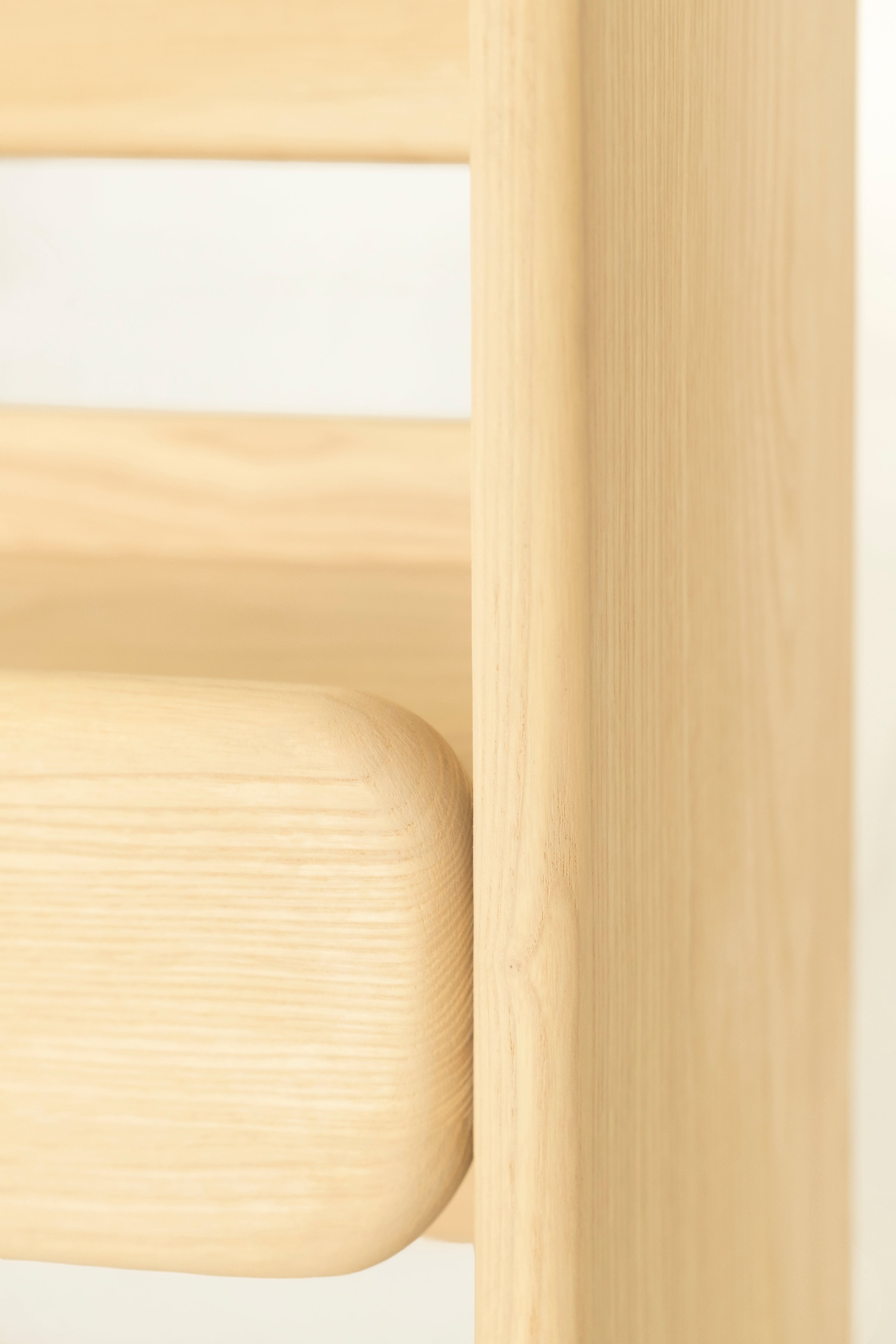
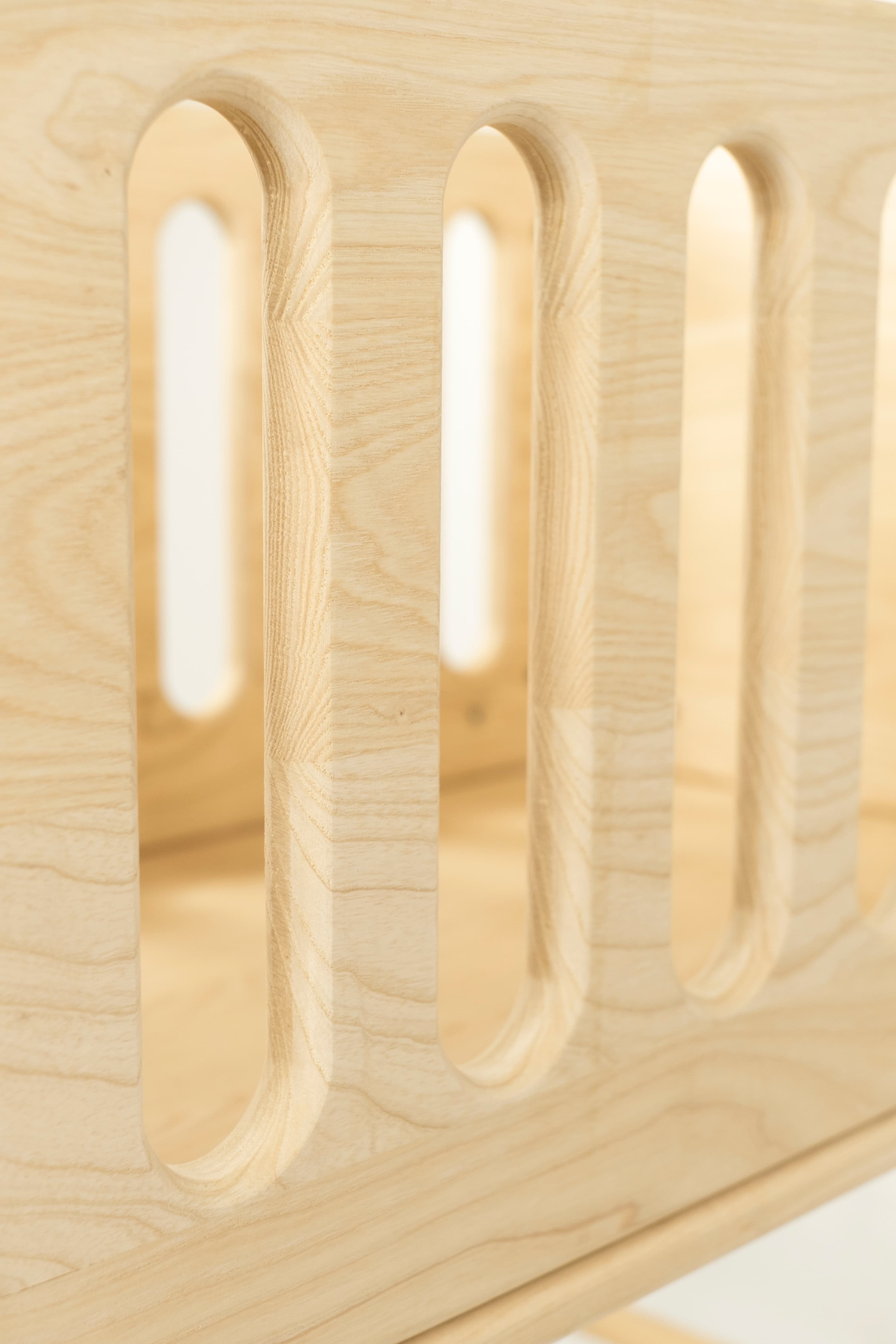
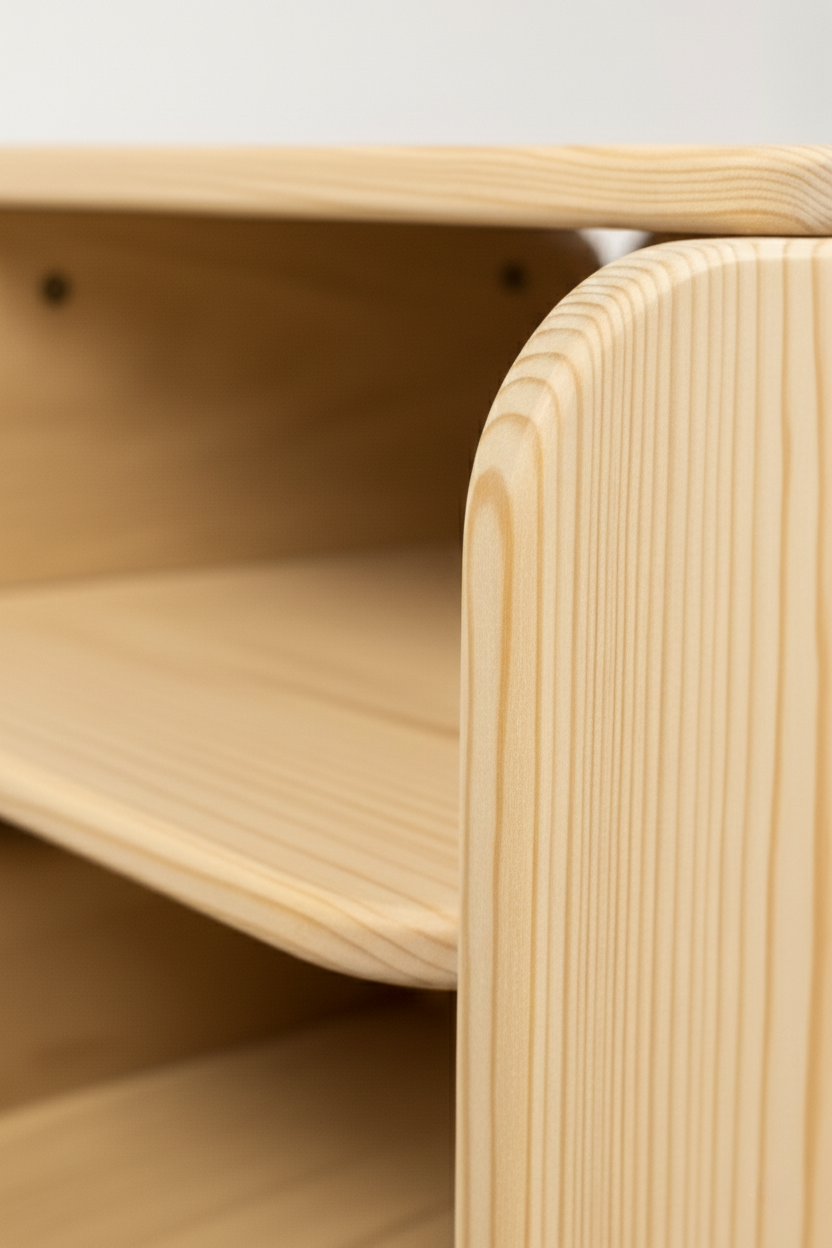
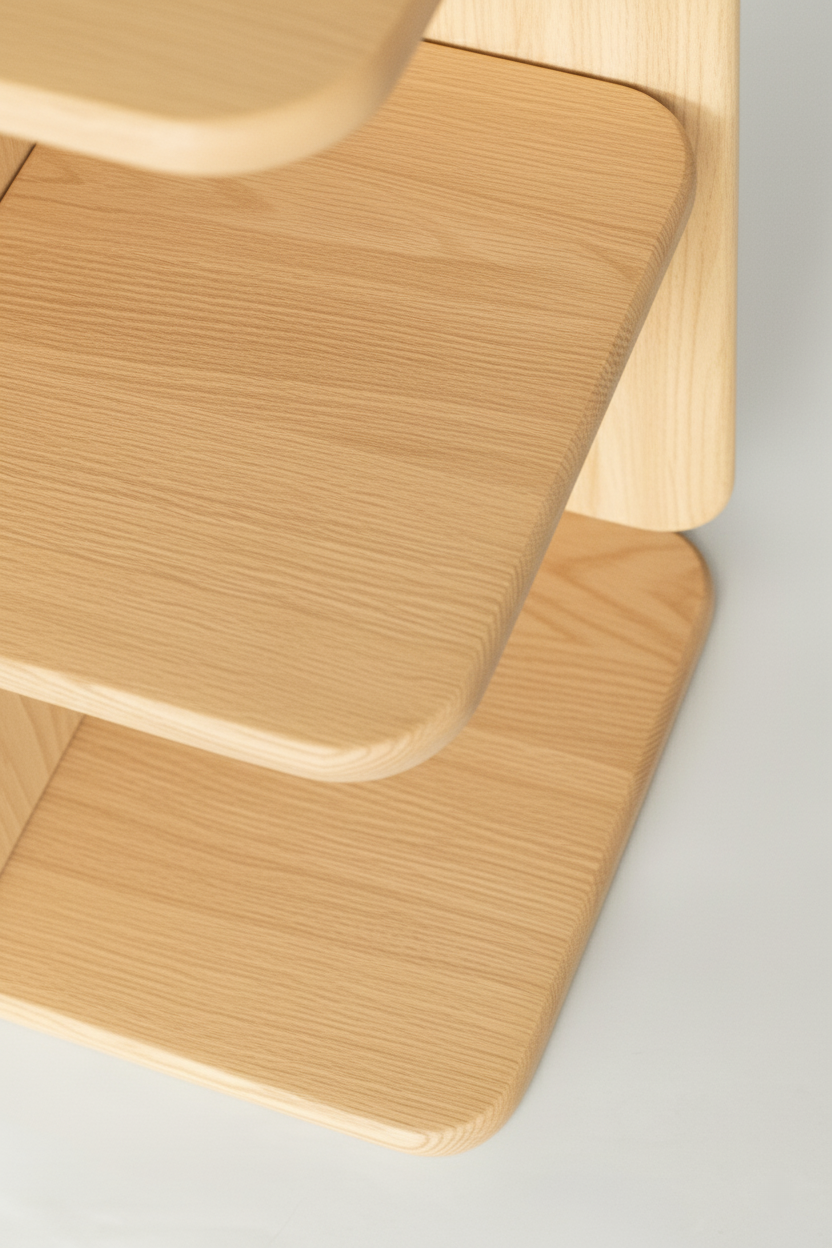
Solid Wood, Zero Particleboard: By using solid ash and pine, we reduce the need for industrial glues rich in formaldehyde used to manufacture particleboard.
Water-based Varnishes and Natural Oils: We use certified water-based finishes, free of solvents and heavy metals. They are safe even if a baby decides to bite the edge of their crib (something very common during the teething phase).
Open-Pore Finishes: This allows the wood to "breathe" naturally without trapping or emitting toxic substances into the home.
Tips for a "Zero Toxic" Nursery
If you want to improve the air quality in your children's room, follow these steps:
Daily ventilation: At least 15 minutes in the morning to renew the air.
Choose natural materials: Prioritize organic cotton, wool, and solid wood.
Avoid "Fast Furniture": Quick-assembly furniture and synthetic materials often release the most chemicals initially.
Look for certifications: Ensure that furniture has seals guaranteeing the absence of toxic emissions. In upcoming articles, we will show you which certifications exist.
Conclusion: Investing in health is investing in the future
Choosing circular furniture not only helps the planet but also ensures that the place where your child spends 10 or 12 hours a day is a safe haven. At Circulari, our mission is for our furniture to leave only the imprint of good memories, never a chemical footprint in their lungs.
Share: